Plastic materials support rapid aid in crises
Plastics are used in emergency shelters, drinking water supply and medical care during disasters and conflicts. Their low weight, durability and hygienic properties support fast deployment in crisis areas.
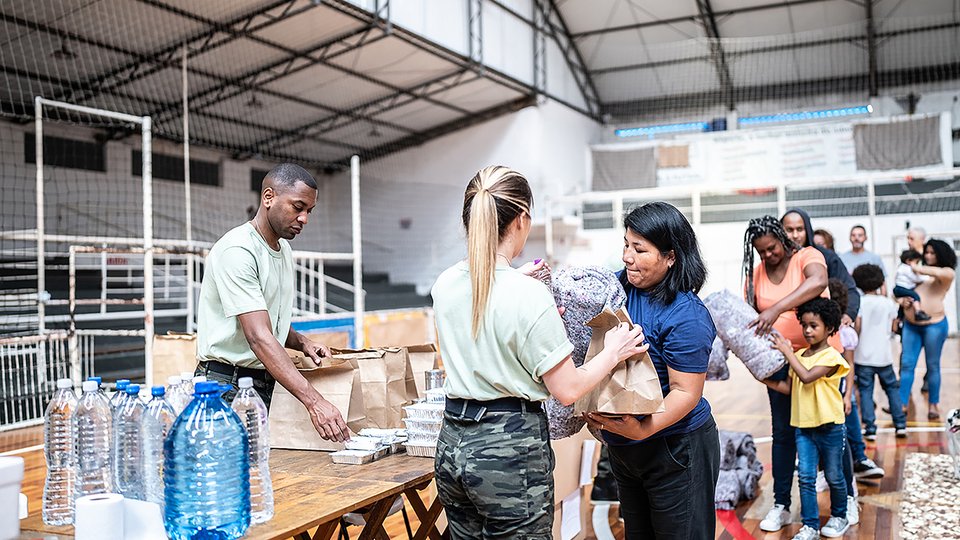
In 2025, worldwide natural disasters caused damage of around 224 billion US dollars. At the same time, the Conias conflict database recorded 1,450 ongoing political conflicts worldwide as of September 30, 2025. Homes, power grids and medical infrastructure can be destroyed within minutes. In these crisis situations, materials determine protection and survival. Plastics are indispensable here because they are lightweight, durable, hygienic and ready for immediate use. They enable emergency shelters, drinking water supply and medical aid. International aid organizations emphasize that the first days after a disaster determine the fate of the affected communities. Relief teams, such as those from World Vision, are often on site within 72 hours to provide essential supplies such as tarpaulins, water and medical care.
Operational capability in crisis situations
When homes are destroyed, plastic tarpaulins made from PE film, known as "plastic sheeting", protect people from rain, sun and cold. They can be stored efficiently and set up within a very short time. The practice of distributing two rectangular sheets per family is anchored in the "Sphere Minimum Standards", an internationally recognized guideline for humanitarian aid by the Sphere Association, a network of leading aid organizations.
Drinking water supply also relies heavily on plastic. Bottles, canisters, tanks and transport containers made of plastic are lightweight, shatterproof and easy to stack. UNICEF delivers emergency WASH kits, including drinking water and hygiene equipment, in over 60 countries worldwide within 72 hours. Without plastic, fast, clean and mobile aid would be virtually impossible.
Medical care, mobility and hygiene
Medical products made of plastic are also indispensable in crisis areas. Syringes, infusion bags, sterile packaging and diagnostic containers enable rapid, hygienic and safe treatment, even where infrastructure has collapsed. Organizations such as Doctors Without Borders use standardized emergency kits that consist largely of plastic, precisely because of these properties: lightweight, sterile and ready for immediate use.
Lightweight packaging enables fast air transport, disposable items reduce infection risks, and hygiene can be maintained with plastic even in destroyed, highly contaminated environments.
A vital resource in times of crisis
Plastic is more than an everyday material: it ensures efficiency, protection and operational capability. Emergency shelters, drinking water, medical care and high-tech drones, without polymer materials, fast, hygienic and flexible aid solutions would not be feasible. Plastic combines lightness, durability and versatility. In doing so, it ensures the functionality of critical systems and the protection of people under the harshest conditions.