Envalior expands range of PFAS-free flame-retardant PBT compounds
Envalior has added three PFAS-free, halogen-free flame-retardant Pocan PBT grades designed as drop-in replacements for corresponding PFAS-containing grades, with identical datasheets and UL Yellow Card listings.
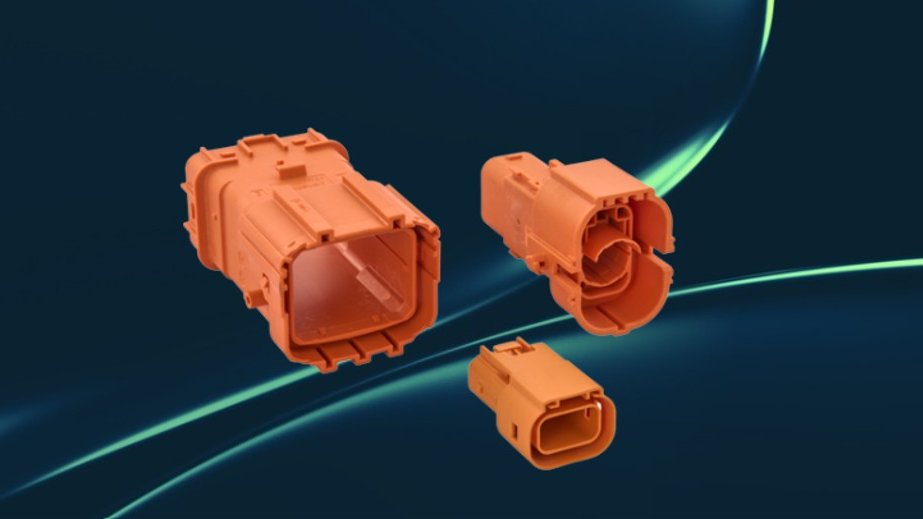
Envalior is expanding its portfolio of PFAS-free, halogen-free flame-retardant compounds based on polybutylene terephthalate (PBT) with three new drop-in alternatives for corresponding PFAS-containing grades. Designed for one-to-one replacement, the materials offer identical performance and processing characteristics, enabling a seamless transition to PFAS-free solutions. The new grades, Pocan BFN4231 S101, BFN4221 S101 and BFN2502 S101, can be identified by the suffix S101 at the end of the grade designation.
In addition, Envalior now develops and offers new halogen-free flame-retardant PBT compounds exclusively in PFAS-free versions. One example is Pocan BFN4135, the first member of a new material family whose mechanical properties are on par with those of PBT compounds containing halogenated flame-retardant systems.
"With this portfolio expansion, we are responding to the strong market demand for PFAS-free PBT. Many of our customers are looking for such alternatives to avoid being caught off guard by potential regulatory restrictions affecting PFAS-containing PBT materials, for example through the European Chemicals Agency. With these three drop-in solutions, we are making it easier for our customers to transition to the production of PFAS-free, halogen-free flame-retardant components," says Lucas Lichius, Global Product Manager for PBT at Envalior.
Faster qualification and seamless material replacement
The three new PFAS-free compounds are equivalent alternatives to corresponding PFAS-containing grades, which are among the leading grades in the Pocan portfolio and cover a broad range of applications. Typical applications include housings, terminal blocks, plugs, connectors and bobbins.
Datasheets and UL Yellow Card listings for both product families are analogous. This allows processors to replace PFAS-containing compounds directly and quickly without making significant changes to their moulding process. For example, the PFAS-free compounds exhibit the same shrinkage behaviour, eliminating the need for new tooling. The resulting components offer comparable mechanical properties.
Thanks to the identical datasheets and UL Yellow Card listings, the effort required to validate the PFAS-free material alternatives with customers is also minimal, enabling shorter time-to-market for processors.
Balancing performance and regulatory considerations
PFAS (per- and polyfluoroalkyl substances), often referred to as "forever chemicals" because they degrade only very slowly in the environment, have come under increased scrutiny. Some PFAS substances are also considered potentially harmful to human health. Regulatory authorities such as the European Chemicals Agency (ECHA) are therefore working on measures to regulate their use. Several PFAS substances with toxicological concerns have already been banned.
For other PFAS variants, however, the benefits often outweigh the risks. One example is polytetrafluoroethylene (PTFE), which is generally regarded as non-hazardous and is used in small concentrations as an anti-dripping agent in flame-retardant PBT compounds. Its use significantly reduces the amount of flame retardant required while maintaining product safety.
Detailed information on Envalior's materials can be found in Envalior's MaterialAdvisor, which provides digital tools and services that customers can use to find, select and evaluate materials.