Italian wine packaging goes circular
The two Veneto companies report that 91.7% of Cantina Pizzolato's plastics waste was sent for recycling in 2025. Collected packaging film is processed by Aliplast and returned to film production as secondary raw material.
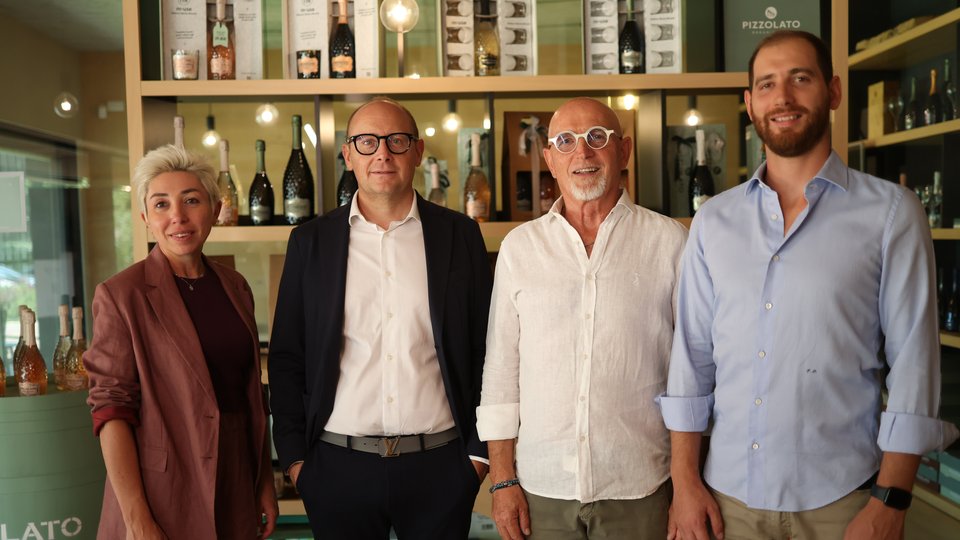
One year after beginning their collaboration, Cantina Pizzolato and Aliplast have reported the results of a project to collect and recover plastic films used in packaging and logistics. Cantina Pizzolato is a winery based in the province of Treviso, while Aliplast, a Hera Group company headquartered in Istrana, specialises in the collection, recycling and regeneration of plastics. The initiative is intended to integrate the winery's plastics waste into an industrial recycling chain and return the recovered material to production.
During 2025, Cantina Pizzolato supplied Aliplast with 19,810 kg of plastics film. A further 1,801 kg was managed through the local collection service. Overall, 91.7% of the plastics waste generated by the winery was sent for recycling. The companies state that this approach reduces the need for disposal and supports a more circular model for managing packaging materials.
The project concerns films such as pallet covers and stretch film used for bundling. These materials help stabilise and protect products during transport, but require appropriate collection and recovery processes at the end of their useful life. By connecting this waste stream with an industrial recycler, the partners aim to improve material recovery and reintroduce the resulting secondary raw material into new production cycles.
Processing film waste into new raw material
The collected plastics are transported to Aliplast's plant in Istrana, where they undergo sorting, washing and grinding. The pellets obtained through this process are subsequently used to manufacture new plastics film containing 30% recycled plastics and 70% virgin raw material. According to the companies, this composition provides the strength and elasticity required for the application while reducing the consumption of virgin resources.
"The partnership with Cantina Pizzolato demonstrates how it is possible to transform plastics waste management into an efficient and traceable industrial process, capable of generating environmental and economic value", said Michele Petrone, CEO of Aliplast, part of Hera Group. "Integrating recycling directly into our partners' production chains means making a tangible contribution to the spread of circular economy models, anticipating regulatory changes and strengthening businesses' competitiveness".
Sabrina Rodelli, partner responsible for sustainability at Cantina Pizzolato, highlighted the local character of the supply chain. "The project with Aliplast combines environmental sustainability with efficiency in resource management, reducing waste, encouraging material recovery and strengthening ties with the local area thanks to the collaboration between two organisations located just a few kilometres apart", she said.
"In other recycling projects, the lack of operational facilities in Italy still forces us to transport materials across the border. This is why we consider it particularly significant to be able to develop a local, circular supply chain. Our hope is that this experience will become a replicable model and a source of inspiration for other companies, helping to foster a culture of sustainability and shared responsibility capable of generating positive and lasting impacts", Rodelli added.
Recycled content and European packaging rules
The collaboration is being developed as European packaging requirements become more stringent. The EU Packaging and Packaging Waste Regulation, PPWR, introduces requirements concerning packaging recyclability and recycled content. In this context, the partners point to the role of certified and traceable industrial supply chains that comply with European standards, particularly given the differences in quality and value among recycled plastics available on the market.
Cantina Pizzolato has chosen to use recycled plastic packaging produced within Aliplast's European supply chain as part of a long-term project. According to the companies, access to high-quality secondary raw material can reduce dependence on virgin resources and fossil fuels. It can also support production continuity and industrial resilience amid geopolitical instability, supply chain pressures and fluctuations in raw material costs.
The project extends Cantina Pizzolato's existing sustainability programme to packaging and logistics. The winery's activities in this area include organic viticulture, Equalitas certification, resource efficiency and the recovery of production waste. Incorporating films from packaging and logistics into a recycling chain is intended to close the material loop and further limit disposal.
Read more: