Sumika prepares for EU end-of-life vehicle rules
Sumika Polymer Compounds Europe is investing more than €13 million in a mechanical recycling plant in France. The unit will produce recycled polypropylene for automotive applications as EU rules increase recycled plastics targets in vehicles.
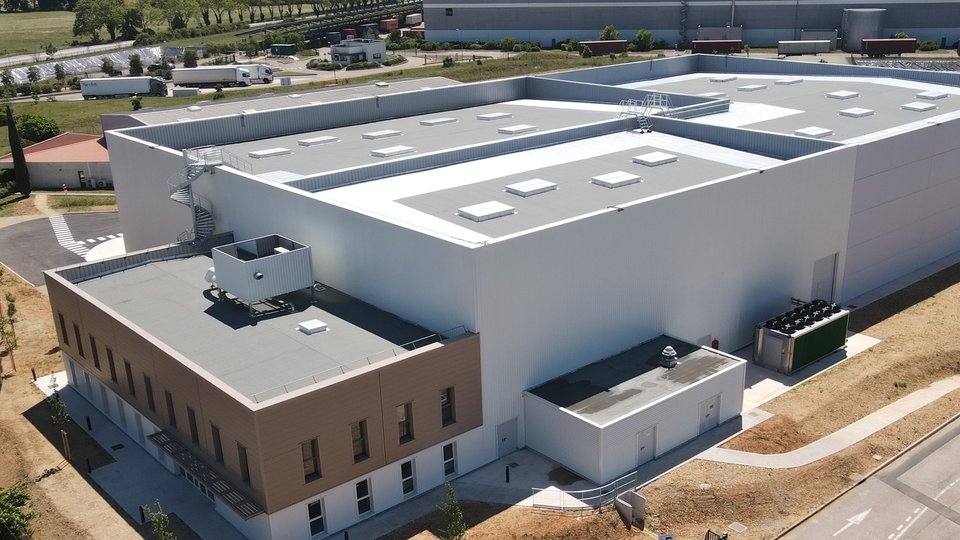
The European automotive sector is preparing for new requirements on end-of-life vehicles that will increase the role of recycled materials in vehicle production. Sumika Polymer Compounds Europe says it is preparing for these changes through a new mechanical recycling unit in France and a recycled polypropylene portfolio for automotive applications. The new European regulation on end-of-life vehicles, adopted by the Council of the European Union last June, introduces requirements for vehicle design, recycling and the incorporation of recycled materials in new vehicles. From 2032, at least 15% of plastics used in new vehicles must come from recycling. This threshold is set to rise to 25% in 2036. Part of these materials will have to originate from end-of-life vehicles, supporting a closed-loop approach in the automotive industry.
The regulation is expected to affect the automotive value chain, from the eco-design of components to collection and recycling at the end of their service life. It will apply to passenger cars, light commercial vehicles and several other vehicle categories. The text also strengthens material traceability requirements, introduces a stricter framework for the export of untreated end-of-life vehicles and establishes a harmonised extended producer responsibility scheme at EU level.
New recycling capacity in France
Sumika Polymer Compounds Europe is investing more than €13 million in a new mechanical recycling plant in France. The project is supported by the European Union, ADEME as part of France 2030, and the Southern Region. The facility is intended to support automotive manufacturers and equipment suppliers as they increase the use of recycled materials in future vehicles.
With a production capacity of more than 10,000 tonnes of recycled polypropylene per year, the unit will process industrial waste from the automotive sector and reintroduce it into new high value-added applications. According to the company, the investment is intended to contribute to the development of a circular economy within the sector.
The French site complements a recycling plant already operated by the group in Turkey. Together, the two facilities will represent annual capacity of more than 25,000 tonnes of recycled polypropylene, strengthening Sumika's ability to respond to growing demand for high-performance recycled materials in Europe.
"This new plant illustrates our belief that regulatory compliance should not be seen as a constraint, but as an opportunity to build a more resilient, circular and competitive European automotive industry." Bruno Pendélio, Head of Marketing & New Product Development Director, Sumika Polymer Compounds Europe.
Closed-loop approach for automotive applications
The new plant is part of Sumika Polymer Compounds Europe's closed-loop approach, which aims to convert automotive plastic waste into resources for new high value-added applications. While the traditional automotive model is based on a linear sequence of production, use and disposal, the circular economy model relies on controlled collection of plastic waste and mechanical recycling expertise to return materials to the manufacture of new parts.
According to Sumika, this approach can reduce dependence on virgin resources and lower the environmental footprint of vehicles. The company's stated ambition is to make end-of-life vehicles a source of raw materials for future vehicles, while helping manufacturers and suppliers anticipate forthcoming European regulatory requirements.
This approach is implemented through Thermofil Circle, a range of recycled polypropylenes developed for automotive applications. The materials are designed to address performance, circularity and regulatory compliance requirements in projects using recycled content.
Thermofil Circle offers:
- mechanical performance for demanding automotive applications,
- secure supply based on a closed-loop value chain,
- recovery of plastic waste by mechanical recycling,
- a significant reduction in carbon footprint, up to 65% lower CO2 emissions compared with some reference virgin resins,
- Sumika's expertise in the formulation and recovery of recycled polymers,
- a solution designed to meet future requirements of the European End-of-Life Vehicle Regulation.
With the new recycling unit in France and the Thermofil Circle range, Sumika Polymer Compounds Europe aims to support the transformation of the automotive industry towards a more circular, resilient and sustainable model. Beyond regulatory compliance, the company intends to make recycling a competitiveness factor for the European automotive industry.