Aimplas develops sustainable flame-retardant materials
Aimplas is developing flame retardants, varnishes and coatings intended to reduce heat release, fire growth and smoke generation in construction, transport and infrastructure applications.
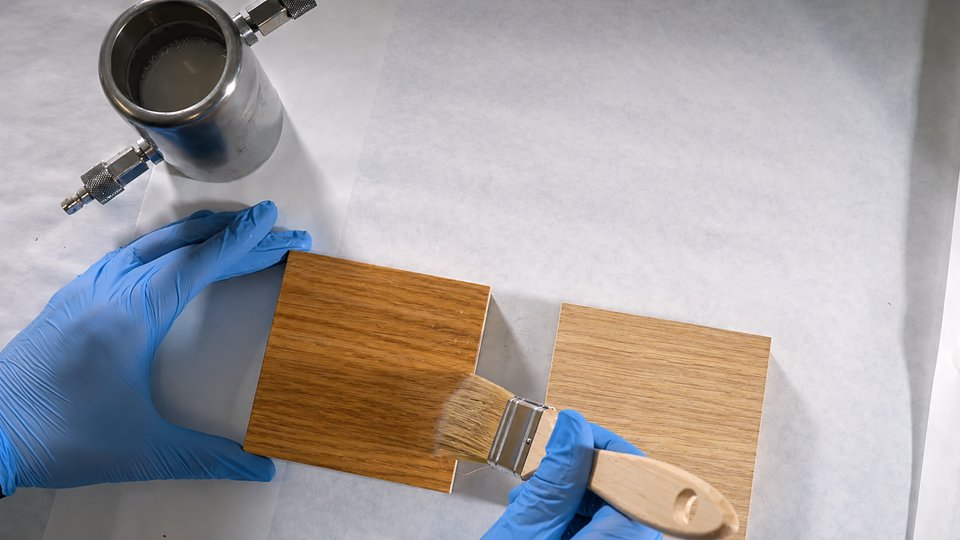
Aimplas, the Plastics Technology Centre, is researching materials and coatings designed to slow fire spread, reduce fire intensity and limit smoke generation in construction, transport and infrastructure applications. Its research covers sustainable flame retardants for paints, varnishes and plastics, including solutions developed in the Phosfire project. According to the centre, these materials reduced the total heat released during combustion by nearly 50% and lowered the peak heat-release rate by up to 46% compared with reference solutions.
"When we talk about fire safety, every minute counts. Our goal is to develop materials that help slow the development of a fire, reduce the heat and smoke generated and, in this way, improve the possibilities for responding to an emergency," said Lodovico Agostinis, Head of the Flame Retardants Research Group at Aimplas.
Agostinis added: "Fire protection can no longer be addressed solely in terms of material effectiveness. We also need to develop safer and more sustainable solutions, using manufacturing processes with a lower environmental impact and renewable raw materials wherever possible."
Varnishes and coatings for timber construction
The latest results come from the Refugi project, which is developing a new generation of eco-friendly, fire-retardant varnishes and coatings intended to improve the safety of timber construction. As wood is increasingly used in construction and interior design, the project is seeking solutions that can slow fire spread while improving the sustainability of both the materials and their production.
Refugi uses technologies including mechanochemistry to reduce solvent consumption and support manufacturing processes with a lower environmental impact. The formulations also incorporate bio-based and biodegradable materials.
The materials have been validated on medium-density fibreboard, or MDF, panels, which are widely used in furniture, wall coverings and interior spaces. Tests showed that some formulations reduced fire intensity and its growth rate, while significantly decreasing smoke production. Smoke is one of the factors that can substantially hinder evacuation during an emergency.
For certain formulations, researchers also observed the formation of protective layers during exposure to fire. These layers can act as a thermal barrier and help slow the degradation of the material.
Although the developments were validated on wooden surfaces, the resulting solutions can also be applied to other substrates, including plastics and metals. This broadens their potential use in construction, infrastructure, mobility and automotive applications.
Assessment of alternatives to brominated flame retardants
Aimplas has also been selected by the European Commission to coordinate Hefestos, a European initiative that will investigate the use of brominated flame retardants and assess the feasibility of transitioning to safer and more sustainable alternatives. The work will focus on sectors including construction, automotive and cabling.
The project will involve companies, particularly small and medium-sized enterprises, as well as experts and associations. The participants will form a working group to analyse different perspectives on the transition and provide technical evidence that may support future European regulatory decisions.
"Fire safety will remain a fundamental need in strategic sectors. However, replacing current solutions does not depend on a single actor: its complexity requires coordination, expertise and a comprehensive approach capable of identifying bottlenecks, providing technical evidence and helping guide future European regulatory decisions," Agostinis said in relation to the Hefestos initiative.
The Phosfire and Refugi projects have been carried out with funding from IVACE+i and support from the European Union's European Regional Development Fund. The projects support research into solutions intended to improve the fire performance of materials used in strategic sectors.