Bugaboo cuts component footprint through PA6-to-PP switch
Bugaboo reports a 68% reduction in the carbon footprint of selected Dragonfly Plus stroller components after replacing glass fibre-reinforced PA6 with PP compounds supplied by Polykemi. The change also reduced stroller weight by 0.75 kg.
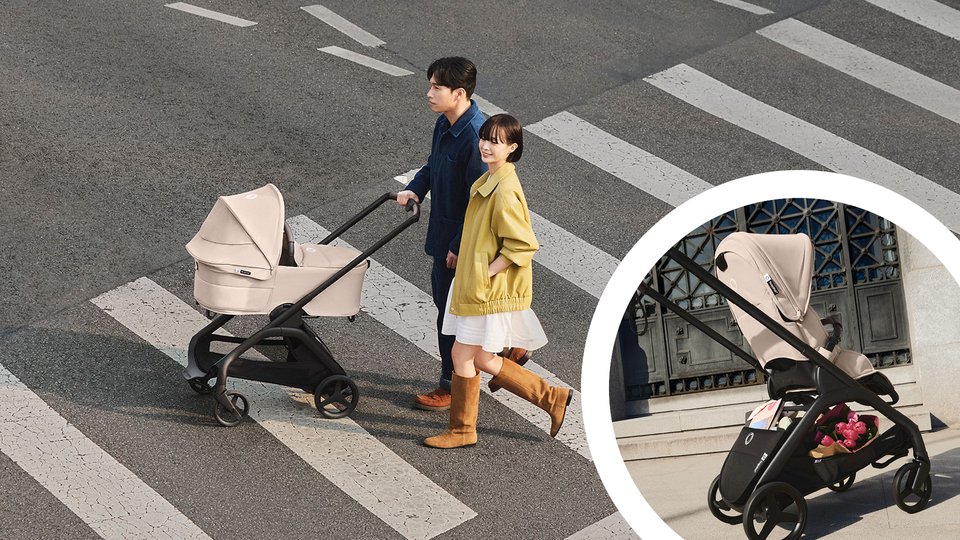
Bugaboo has replaced glass fibre-reinforced polyamide 6 with glass fibre-reinforced polypropylene in selected components of its Dragonfly Plus stroller. According to the company, the material transition reduced the carbon footprint of the affected components by 68%, from 21.9 kg CO₂e to 7.1 kg CO₂e per kilogram of material. It also lowered the stroller's weight by 0.75 kg because PP has a lower density than PA6. Polykemi supplied a range of PP materials selected for individual applications within the product.
"With the material transition, we reduced the carbon footprint of the affected components by 68%. We went from 21.9 kg CO₂-e to 7.1 kg CO₂-e/kg material. We also experienced several other benefits from this material transition. We see excellent technical performance, and we reduced the stroller's weight by 0.75 kg because the density of the material is lower than that of PA6. These are all changes that bring significant benefits to our product," said Ruben Kempes, Sustainability Engineer at Bugaboo.
The geographic proximity of production was another factor in limiting emissions associated with the project. Both Polykemi and Bugaboo manufacture in China, reducing the need for long-distance material shipments and the related transport emissions.
"With both Polykemi and Bugaboo manufacturing in China, we don't need to ship material all over the world, which helps keep transportation-related emissions low," said Kempes.
Material selection at the design stage
The stroller components must meet requirements related to safety, durability, appearance and use in different climates. Because the product is intended to carry small children and is used outdoors worldwide, the materials must withstand hot, cold and humid conditions. The stroller must also tolerate handling during transport while remaining easy to carry.
"Our product needs to be absolutely safe, it is designed to carry small children. It needs to withstand hot, cold, and humid weather conditions since it is used outdoors, globally. It must be able to handle being thrown into a car, be easy to carry, and it should also look good! By considering material selection from the start of the stroller's development, we were able to evaluate each component and determine which material would be ideal for that specific application," said Kempes.
A key aspect of the project was adapting the level of glass fibre reinforcement to the requirements of each component. Some parts contain 30% reinforcement, others 20%, while some use unreinforced PP. Polykemi materials account for 38.5% of all plastics used in the Dragonfly Plus.
"Polykemi's materials account for 38.5% of all plastic material used in the Dragonfly Plus. The fact that we use these materials is strong evidence of how successful this material transition has been," said Kempes.
Approach derived from automotive applications
PP materials with different levels of mineral reinforcement are commonly used in the automotive industry, where components must combine durability with low weight. Polykemi linked the solution developed for Bugaboo with the broader replacement of PA6 by PP in electric vehicle applications in China.
"Especially in electric vehicles, which have become a major manufacturing success here in China, we see that this transition from PA6 to PP is common and provides many advantages. Together with Bugaboo, we found that our PP materials could meet their requirements, both technically and in terms of reducing their carbon footprint," said Michael Cao, Chief Commercial Officer at Polykemi Asia.
Further material changes under evaluation
Bugaboo is continuing to assess materials as part of its sustainability strategy. The stated areas of work include reducing carbon footprint and chemical use, moving away from fossil-based raw materials and developing products according to circular design principles.
"Circularity is already on our radar. 'What can we do to move closer to using recycled materials, or even create a closed-loop material system?' These transitions take time, but they are our next steps forward," said Kempes.