Packaging automation responds to e-commerce growth
The growing scale of online shopping and returns is placing greater demands on logistics. Packaging automation is intended to handle varied orders more efficiently, reduce manual work and accelerate the return of products to sale.
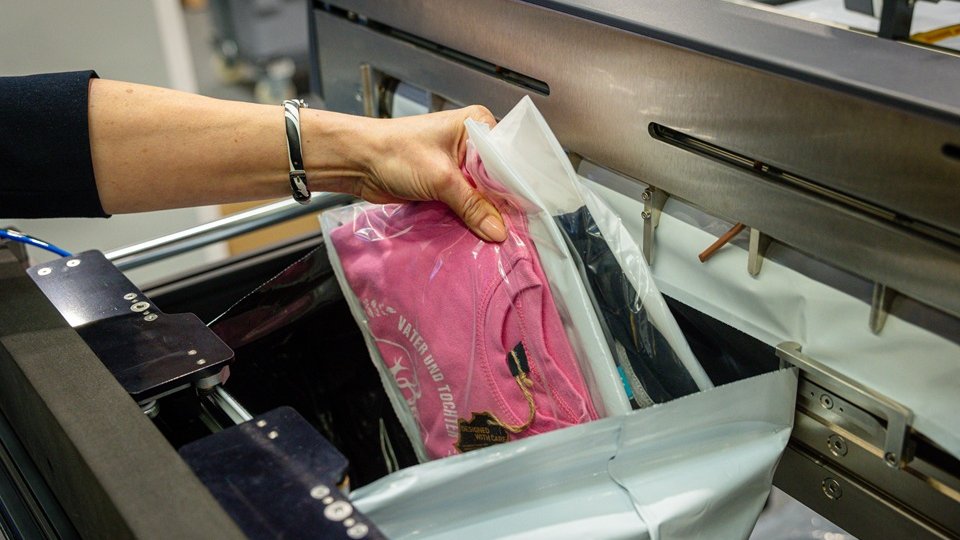
The intensification of Polish e-commerce, driven in part by the increasing frequency of purchases across multiple sales channels, is placing new demands on logistics. One response is packaging automation, encompassing machines, sorters, feeding and packaging lines, and repackaging systems. Solutions offered by Silny&Salamon are intended to support the sector both during sales peaks and periods of increased returns. In the latter case, safe receipt, repackaging and the rapid return of a product to sale are just as important as parcel delivery. According to the "Omni-commerce. I shop conveniently 2026" report commissioned by the Chamber of Digital Economy, 93% of Poles shop online. Consumers are buying online more frequently, using more channels, including foreign ones, and making increasing use of new technologies. Only 15% of respondents now identify physical stores as their preferred place to shop. Omnichannel has become the standard, while the boundary between online and in-store retail has virtually disappeared.
Fashion, with a share of approximately 32%, remains the leading e-commerce segment. The strongest growth is being recorded in electronics, home furnishings, DIY products and beauty. Another important feature of the Polish market is the dominance of marketplace platforms, which currently account for approximately 58% of online sales.
Responding to fluctuating order volumes
For logistics operators and online store owners, these trends mean that process efficiency and flexibility must be increased. As sales volumes rise, packaging becomes more difficult to organise, which is driving interest in automation. It can accelerate order fulfilment, reduce repetitive manual tasks and maintain consistent shipment preparation quality.
Silny&Salamon, which supplies packaging automation solutions and builds feeding and packaging lines, is receiving a growing number of enquiries concerning packaging trials and the selection of equipment suited to specific products, volumes and final packaging requirements.
"We were approached by the sporting goods manufacturer Iskierka, which needs to combine efficient B2B order handling with shipments to individual customers. This example shows that a modern packaging process should be ready to handle different order types, scales and shipment preparation requirements. Following the trials, the customer ultimately selected an Autobag 650H machine," says Katarzyna Bieńkowska, president of Silny&Salamon.
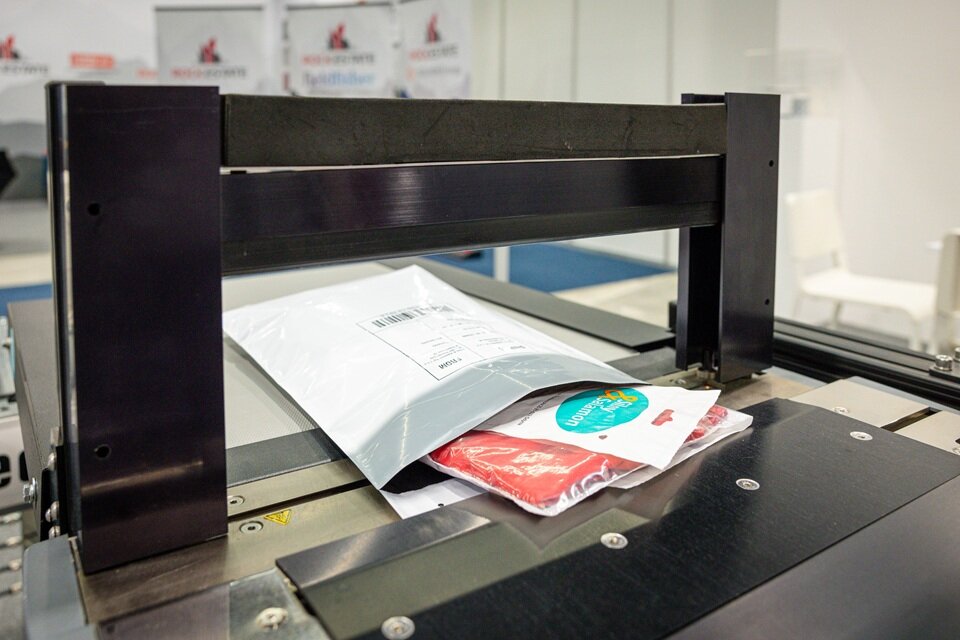
For Iskierka's business customers, namely sports clubs, the efficient and repeatable handling of larger product batches is essential. High throughput and a consistent operating pace are important. For individual orders consisting of single products or small sets, mailer bags were used. They enable goods to be packed quickly, shipping details to be printed on the packaging and the parcel to be transferred directly to courier transport.
The logistics team of a recognised clothing and accessories brand also tested Silny&Salamon packaging machines connected to conveyors and positioning and sorting lines. In this case, packaging automation forms part of a larger system designed to improve the operation of the entire warehouse. The trials lasted three weeks. According to the distributor, the operators' positive assessment may result in an order for a new machinery fleet.
MPP, formerly operating as Cyfrowa Foto and one of Poland's leading manufacturers of personalised photo products such as photo books, albums and calendars, has already proceeded with an investment. Following trials, the company purchased two Autobag 850S packaging machines designed to work with large courier mailing bags.
"During the e-commerce peak season, every second counts. We therefore recommended a solution that integrates the packaging stages into one continuous process. The machines handle up to 15 packages per minute, and reducing manual tasks enables operators to work with greater confidence and comfort. This allows the company to scale volumes safely without compromising quality," says Katarzyna Bieńkowska.
For e-commerce businesses, the fourth quarter is the most intensive period of the year, when sales in key categories rise by approximately 350%. Packaging in an omnichannel model must take different order fulfilment paths into account. Goods may be shipped from a central warehouse, a physical store or another fulfilment location. Delivery and possible returns may take place through a courier, a parcel locker or in person. In such a complex product life cycle, the packaging method and the appearance and durability of the packaging become increasingly important.
Secure returns and repackaging
Summer sales, like the period following the fourth quarter and the Christmas shopping peak, bring online stores not only higher sales but also a wave of returns. This applies particularly to clothing, footwear and accessories purchased for specific occasions, from holiday trips to parties and seasonal events. Retailers need to receive the return and quickly assess whether the product has retained its full commercial value, has not been used and can be offered for sale again.
Security seals are used in this process to reduce the risk of wardrobing, which involves intentionally using a product and then returning it as unused. Plastic, ribbon or cord seals can be easily attached to the product. Any attempt at tampering is visible, while the seals do not prevent customers from trying on clothing or footwear at home.
Accepting the return is only the beginning of the process. A product intended for resale often needs to be inspected, relabelled and repacked. Automating this stage is particularly important during periods of increased returns, when the time required to restore a product to the sales offering is critical. Machines distributed by Silny&Salamon enable repackaging at rates of up to 25 packages per minute, including automatic label application. Process speed is particularly important for seasonal items whose commercial value declines rapidly.
Packaging as part of the entire sales process
The growth of e-commerce means that packaging can no longer be treated solely as the final, straightforward stage of order fulfilment. In an omnichannel model, it forms part of a broader process encompassing different sales and delivery channels, a variable order structure, product security and reverse logistics. Retailers must design processes so that products reach customers quickly and safely and, if returned, can be efficiently placed back into circulation. Packaging automation and appropriate security measures can increase productivity and support the flexibility of the e-commerce logistics chain.
"The market will demand increasing flexibility from companies. It is no longer enough simply to pack and ship. This must be done quickly and safely, in a way that enables the entire product life cycle, including a possible return, to be handled efficiently. This is why packaging automation is increasingly an investment not only in warehouse productivity, but also in the quality of the entire sales process," concludes Katarzyna Bieńkowska, president of the management board of Silny&Salamon.
Investments in the automation of logistics processes require advance planning. One of the initial preparation stages may involve packaging trials conducted under actual operating conditions and the selection of a solution suited to the product type, volume and required form of final packaging.