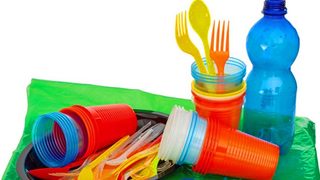
Term "Single-Use Plastic" harming recycling
Recent research conducted on behalf of the Natural Source Waters Association clearly shows the need to be careful of the terms and language used when talking about plastics and recycling.
Recent research conducted on behalf of the Natural Source Waters Association clearly shows the need to be careful of the terms and language used when talking about plastics and recycling.

In an interview in “Die Welt” the new EU Commissioner for Environment, Virginijus Sinkevicius, thinks aloud about a general ban on plastic packaging in Europe.

The plastics or polymers industry was for many years a hidden industry. For most of its history, nobody has known much about the plastics business because it is sandwiched between oil and gas and a huge variety of finished goods.
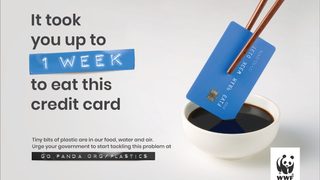
A new study sponsored by the environmental group WWF says that people could be ingesting a credit card sized amount of microplastics every week.
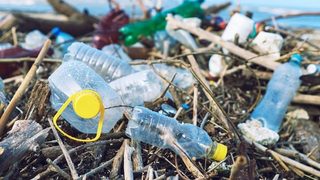
The European Union moved closer to banning single-use plastics after the EU Council, the European Parliament and the European Commission signed off on a provisional agreement that forms part of the 28-nation bloc’s strategy to reduce marine litter.

In an Aug. 24 report, Cefic said chemicals output within the EU was up by 3.1 percent during first half of 2017, compared to the same period last year.