Veolia Poland building position as a market leader
An interview with Bartosz Jankowski from Veolia Polska.
Veolia is one of the leaders in managing natural resources in Poland. What were the most important steps the company took to achieve such a strong position in the Polish market?
Veolia Polska builds its leadership position by consistently implementing a strategy of sustainable development and ecological and energy transformation. A key element is the integration of three areas of operation: energy, water, and waste management, which allows us to create comprehensive offerings. These activities are supported by the company's vision, which aims to "renew the world's resources." Veolia places great emphasis on innovation, local cooperation, and effective business partnerships. Additionally, we are implementing the GreenUp program, which is part of Veolia’s global climate neutrality strategy. These activities include, among others, the decarbonization of energy processes, increasing the use of renewable energy sources, and modernizing infrastructure. At the same time, we invest in developing the competencies of our employees and cooperating with local governments, industry, and communities. This is just a small snapshot of all the activities we undertake to have a strong position in the Polish and global markets.
What are Veolia’s key areas of operation in Poland, and what differentiates your offerings from the competition?
Veolia operates in the energy, water, and waste management sectors, providing comprehensive services to cities, industry, and public utility facilities. The key differentiators of our offer are advanced technologies and an innovative approach. An example of this is the ESCO model, which Veolia is developing in Poland. It enables the reduction of energy costs and emissions through the modernization of buildings and industrial infrastructure, based on settlements related to energy efficiency. We are also distinguished by our openness to future technologies, such as digital systems for managing urban infrastructure, which improve operational efficiency and reduce energy losses. Veolia actively promotes the circular economy, offering solutions for energy recovery from waste and the use of waste heat. These projects not only support ecology but also reduce operational costs for our clients. We have a clearly defined goal, which is the method of implementing the company's vision. We build value for all stakeholders. For us, the goal is a management method that enables the implementation of a multi-dimensional approach to Veolia's results as a Group.
What ecological goals has Veolia set for itself in Poland for the coming years? What actions are you taking to achieve these goals?
We are consistently implementing solutions that reduce emissions of pollutants, regenerate resources, and decarbonize the economy, which apply to our own assets and our partners - industry, buildings, and cities. We set an ambitious goal of climate neutrality by 2050. Our actions are part of the global GreenUp program, which integrates projects in the areas of decarbonization, energy efficiency improvement, and increasing the share of renewable energy sources. We are accelerating ecological transformation, so Veolia is modernizing heating networks, investing in cogeneration installations, and implementing energy recovery technologies from waste. We collaborate with local governments and business partners to support the achievement of sustainable development goals. It is worth mentioning that 2024 was a year rich in new partnerships. The transformation also includes educational initiatives aimed at raising ecological awareness in communities. Recently, we launched the Ecoista.pl portal, which aligns with this goal, and we also started the “One Degree Less Means More” campaign. At Veolia, we implement actions for ecological and energy transformation not only on a global level but also on a local level. We focus primarily on solutions with a large impact, the most important and transformational in the areas of energy, water, and waste.
Does Veolia see growing potential for the development of green energy in Poland, and if so, in which areas?
Of course, we do. Green energy is one of the most important directions for Veolia’s development in Poland. The company sees significant potential in areas such as biomass energy, energy recovery from waste, and waste heat. The development of renewable energy sources is also supported by investments in cogeneration, which allows for the simultaneous production of heat and electricity in a more efficient and ecological way. We are implementing such projects, for example, in Poznań and Łódź. Veolia is also developing urban projects, such as smart heating networks - for example, in Warsaw, which is the first of its kind in the European Union. We use advanced monitoring and management systems. This allows energy to be delivered more efficiently, reducing emissions and costs. We also see opportunities for development in photovoltaics and hybrid projects that combine various renewable energy sources
What are Veolia’s development plans in Poland for the coming years? Are there any new areas the company wants to enter to better address environmental protection challenges?
We are consistently implementing our mission of “renewing the world’s resources,” developing technologies that support sustainable development and the circular economy. One of the new areas of activity in Poland is the ESCO model, which will officially launch in January 2025. Through the new company, we will focus on increasing energy efficiency in buildings and industry, which will help reduce costs and emissions. In the coming years, Veolia plans further investments in heating and energy infrastructure, decarbonization, and the digitization of processes. We also intend to expand our services in the field of green energy and resource recovery, while supporting local governments in achieving their climate strategies. These actions are an integral part of Veolia’s long-term vision, which combines innovation with ecological responsibility.
Please tell us about the Plastiloop project. What inspired Veolia to launch the Plastiloop project, and how does it fit into the company’s overall strategy for the circular economy?
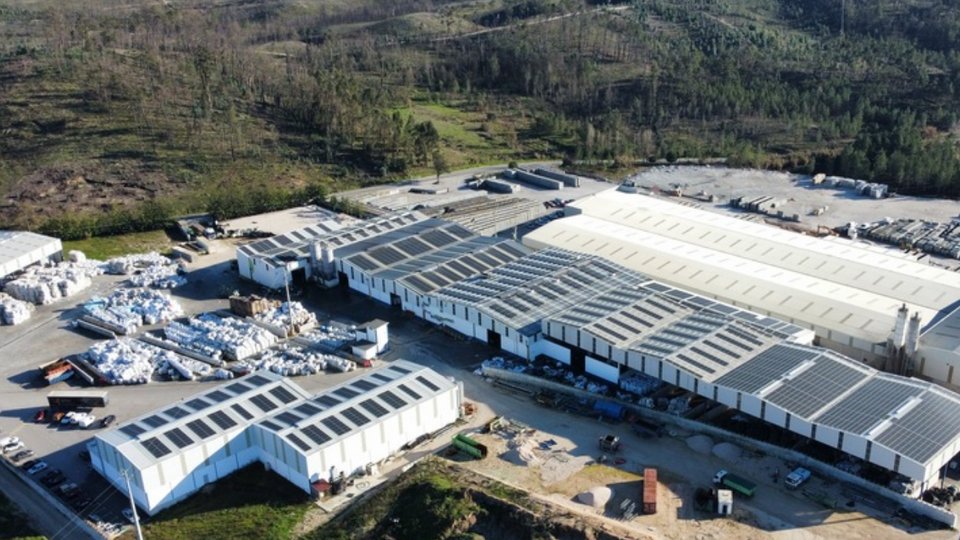
As we mentioned, Veolia actively promotes the circular economy, offering various solutions, one of which is the development of plastic recycling, which the Group has been successfully implementing both in Europe and globally for years. The impetus for Veolia in Poland to start working on the Plastiloop project came from the Polish government’s adoption of the amendment to the Packaging and Packaging Waste Management Act and certain other laws (Journal of Laws 2023, item 1852), which introduced regulations for implementing the Deposit System in Poland. Among the types of waste included in the system are PET bottles of up to 3 liters, which we now collect in the municipal system by placing them in the yellow bin. Often, due to improper segregation, PET bottles end up in mixed waste (black bin), where mixing with other waste (such as biodegradable waste) significantly reduces the chances of later recycling. The implemented Deposit System will enable the collection of this stream in a very clean form, which should significantly facilitate its subsequent segregation and recycling. Collecting PET bottles in the Deposit System alone is not enough to achieve the recycling levels required by the law (ultimately 90% by 2029). To achieve this, necessary infrastructure such as sorting plants is required, where the waste stream will be sorted by color and then directed to the final facility where PET bottles will be recycled into pellets or flakes. We already know that the greatest demand in the coming years will be for the last element of the waste stream management chain, as what good is it if we collect and sort PET bottles but do not have where to recycle them? The current processing capacities of recyclers are insufficient. Therefore, taking into account the anticipated increase in the PET bottle stream from the implementation of the Deposit System in Poland, and based on our experience within the Group, we see a real opportunity for Veolia’s development in this direction, which also fits into our strategy. This approach allows us to think of waste not as a problem we want to get rid of, but as a valuable resource that, after processing, will be returned to the economy and reused, thus replacing primary raw materials that would otherwise have to be used for production.
Is the Plastiloop project currently being implemented globally or in specific markets? What are the development plans for this project in other regions of the world?
PlastiLoop is an innovative plastic recycling offering that Veolia is successfully implementing on a global scale. Thanks to a unique network of experts and advanced processing plants, the company delivers high-quality recycled plastics, promoting the PlastiLoop brand as a product dedicated to industry. Veolia operates around 37 production plants worldwide, with a balanced distribution between Europe and Asia. The presence of a recycling facility in Colombia highlights the global nature of the PlastiLoop project. 2022 was a breakthrough year for PlastiLoop, when Veolia successfully expanded the project to additional countries. The company is currently focusing on brand development and improving the quality of products offered to the industrial sector by continuously improving the recycling process. Poland, as one of the largest European countries, where the deposit system will soon be implemented, represents a market of particular importance for PlastiLoop. Veolia sees tremendous potential for the brand's development in Poland, given the growing demand for recycled plastics. PlastiLoop, as a global initiative by Veolia, not only contributes to reducing plastic waste but also offers the industry high-quality secondary raw materials. With ongoing development and expansion, this project has the potential to significantly impact the future of plastic recycling worldwide.