MOL opens solar park and energy storage facility in Hungary
MOL Group has commissioned a 37.4 MWp solar park and a 20 MW, 40 MWh energy storage facility in Algyő. The installations are expected to reduce CO2 emissions by approximately 13,000 tonnes annually.
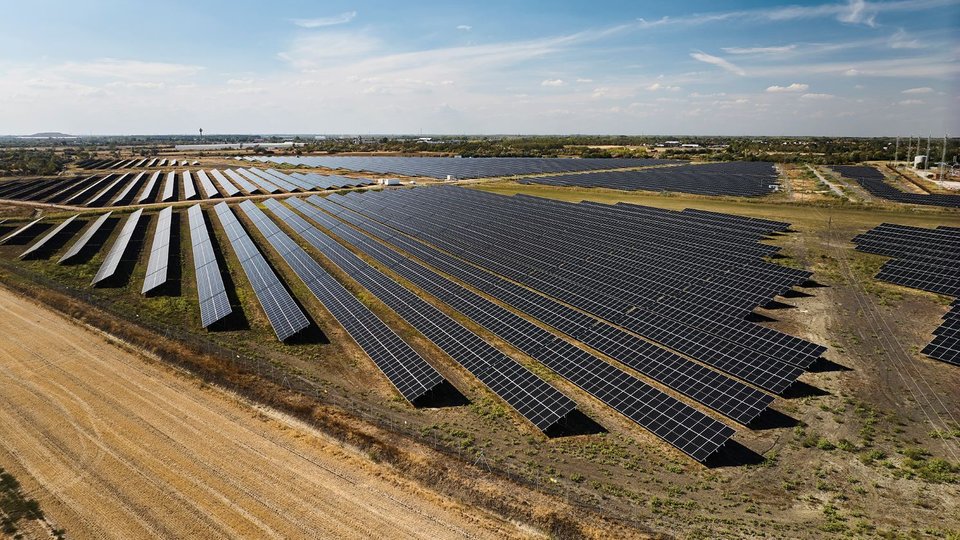
MOL Group has commissioned a 37.4 MWp solar park and an associated energy storage facility with 20 MW of nominal power and 40 MWh of storage capacity in Algyő, Hungary. The new installations expand the group's renewable energy portfolio in Central Europe while increasing the energy independence of its operations. The project is also intended to improve the flexibility of electricity supply and reduce CO2 emissions by approximately 13,000 tonnes annually.
"Recent experience has highlighted the importance of managing intraday fluctuations in electricity generation. This is what we are achieving by commissioning our latest energy storage facility. The investment simultaneously promotes sustainability, security of supply and economic competitiveness: green electricity generated from our own sources reduces our reliance on external energy supplies, while the battery storage system contributes to the stability of the national power grid," said György Bacsa, Group Chief Strategic Officer of MOL Group.
Meeting the electricity demand of the Algyő site
Together with the existing power plants at Algyő, the new solar park can fully meet the electricity demand of MOL's facilities in the region. The 37.4 MWp installation increases the site's energy independence and reduces operating costs by replacing externally purchased electricity. The plant's annual output corresponds to the yearly electricity consumption of approximately 22,500 households in Csongrád-Csanád County, where MOL's site is located.
The battery energy storage system installed as part of the investment is intended to help balance grid fluctuations caused by weather-dependent renewable sources. The system can store electricity and feed it back into the grid. According to MOL, this amount is equivalent to the annual consumption of approximately 7,300 average households in the county.
The energy transition is one of the main pillars of MOL Group's long-term Shape Tomorrow strategy. Its implementation includes developing renewable energy sources and expanding storage capacity, which enables fluctuations in output from weather-dependent facilities, such as solar and wind farms, to be managed at national level. The Algyő project is expected to support both the decarbonisation of MOL's operations and greater flexibility in the Hungarian electricity system.
ALTEO constructed the solar park
The solar park was constructed by ALTEO Plc., which may also provide aggregation services following completion of the project. MOL and its partners hold a 73.8% stake in ALTEO Plc. The company operates approximately 115 MW of renewable generation capacity from wind, solar, hydro and biogas power plants.
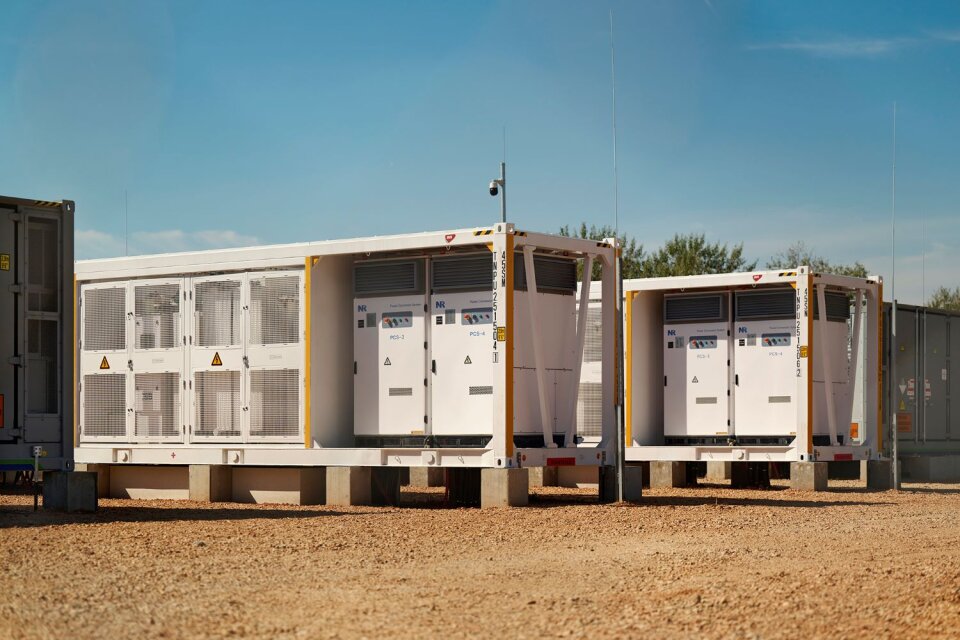
MOL Group is developing its renewable energy portfolio in Hungary and elsewhere in the region. The company aims to increase the share of electricity from renewable sources used in its own operations, strengthen security of supply, reduce reliance on external supplies and support its decarbonisation targets.
Nine solar parks in Hungary
Following the commissioning of the new facility, MOL Group operates nine solar parks in Hungary with a combined capacity of 405 MW. The group plans to expand its portfolio further. It also operates two energy storage facilities with a total storage capacity of 80 MWh. By 2030, MOL plans to install energy storage capacity totalling 500 MWh in Hungary.
In Croatia, MOL Group operates two solar parks with a combined capacity of 10 MW. The addition of a third installation in the following year is expected to increase this capacity to 23 MW. Following the commissioning of the Algyő facilities, the group's total photovoltaic capacity in the region amounts to 415 MWp. According to the company, these installations contribute to reducing CO2 emissions by approximately 160,000 tonnes annually.