PiFA calls for facts to build trust in recycled plastics
PiFA says transparent communication, controlled material loops and verifiable quality criteria are needed to improve consumer acceptance of recycled plastics in packaging.
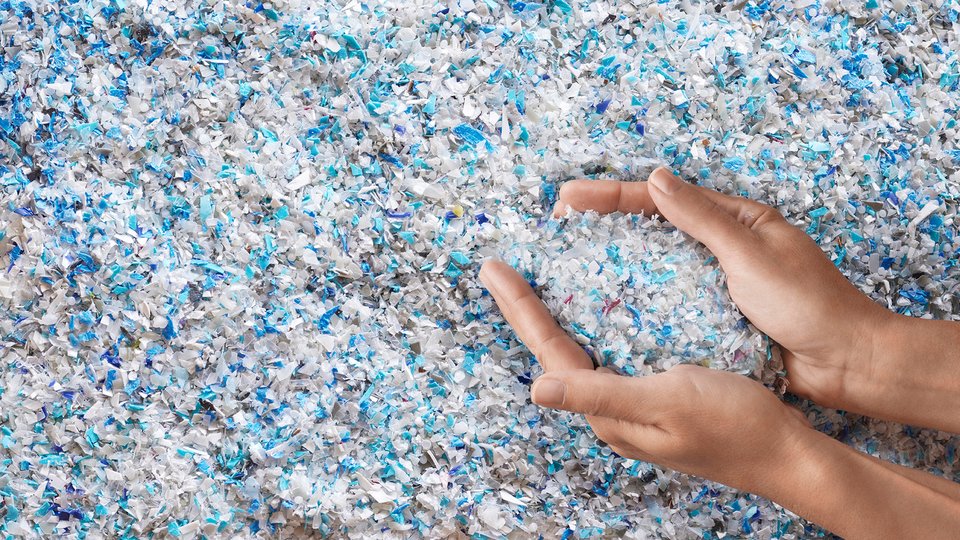
Consumer skepticism toward recycled plastics may stem from the psychological "contagion effect", through which people unconsciously associate recycled materials with waste. Studies cited by the Plastic is Fantastic Association (PiFA) indicate that this association can influence perceptions of both packaging and the packaged product. Dominic Fiel, Executive Director of PiFA, calls for a change in how the industry communicates the role of plastics: "We need to get past the emotional debate and show the real contribution of plastics. Packaging has value before, during, and after use."
A publication in Food Quality and Preference reports that recycled material can trigger reservations strong enough for consumers to perceive not only the packaging, but also the taste and quality of the product as inferior. PiFA therefore argues that manufacturers and brand owners need to build trust proactively at the point of sale. The association identifies transparent, regional storytelling on the packaging as an important tool. Communication focused on controlled closed loops could help address consumers' concerns. According to Fiel, brands can "turn the use of recycled material from a risk factor into a genuine sales driver through honest facts."
Safety and quality in recycled materials
PiFA stresses that recyclates must meet high standards if existing reservations are not to be reinforced. The bottle-to-bottle process for PET is regarded as a global benchmark. For other plastics, functional barriers in multilayer packaging can be used to enclose recycled material within the structure's core. Fiel emphasizes that customer safety remains the priority and argues that strictly controlled recycling in Europe ensures material purity and limits quality risks.
In the longer term, packaging made from polypropylene and polyethylene will also need to move toward closed material loops, following the example of PET bottles. "When product design, collection, and recycling work seamlessly together in regional networks, plastic is the ideal material for a sustainable future," Fiel says.
PiFA points to the Austrian ALPLA Group as an example of this approach. Operating as both a manufacturer and recycler, the company supplies recyclates from 13 of its own recycling plants. Each delivery is assessed using measurable criteria, including color and impact strength. Certifications and food-grade approvals are used to verify compliance with food-safety requirements.
Recycled-content quotas and consumer acceptance
The EU Packaging and Packaging Waste Regulation (PPWR) will introduce mandatory recycled-content quotas from 2030. These requirements are expected to accelerate the use of recycled plastics, but PiFA notes that regulation alone cannot establish consumer confidence. A meta-study by Utrecht University indicates that circular economy concepts can fail if they do not take the consumer perspective into account.
Fiel concludes that credibility must be based on verifiable information. In his view, the industry should fully document the reliable origin of recycled material and distinguish it from unverified low-cost imports. Such traceability, combined with measurable quality criteria, is intended to reduce distrust and support acceptance of a safe circular economy.
Read more: