Plastics Waste as a Resource on World Cleanup Day
World Cleanup Day 2026 highlights the need to keep plastics in the circular economy. PiFA, NGR, Da Fon Environmental Technology and Buy Food with Plastic stress the role of mindset, technology, data and local initiatives in giving waste value.
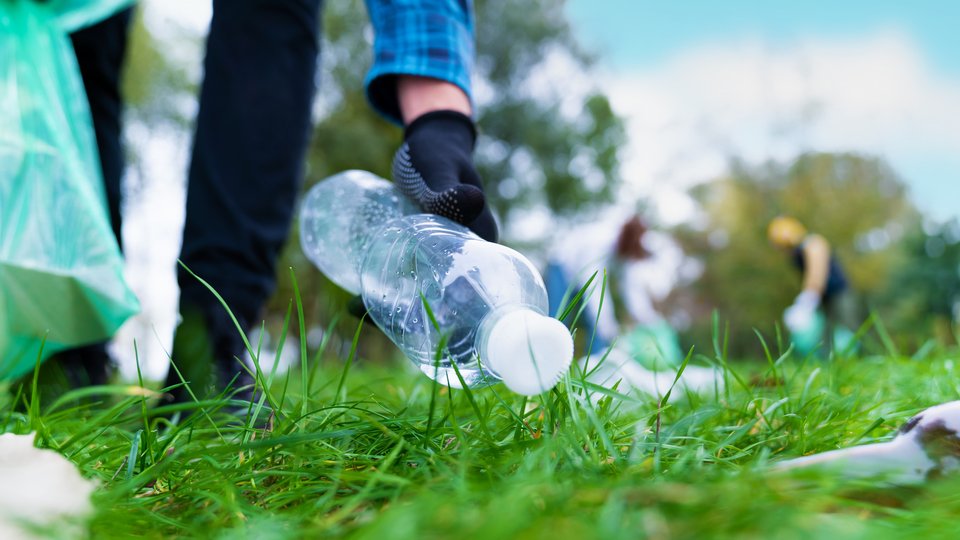
More than 20 million people in over 190 countries are taking part in World Cleanup Day 2026 to address the problem of plastic waste. The initiative draws attention to littering and waste that remains outside waste management systems, but the broader challenge is to keep plastic materials in the circular economy. According to the organisations and companies presented in the source material, the key issue is recognising the value of the material: plastics should be seen not as worthless waste, but as a resource that can be recovered, placed back on the market and reused. Achieving this change requires the interaction of technology, supply chains, regulatory frameworks and public awareness. Four international examples, Plastic is Fantastic Association, Next Generation Recyclingmaschinen, Da Fon Environmental Technology and Buy Food with Plastic, show different elements of this transformation, from communication and recycling technology to traceability and grassroots economic models.
Vision and awareness
Plastics need to move from being perceived as the end product of a single-use society to being treated as a sustainable raw material in the economy. The technologies needed for recycling and recovery are already available. Closing the circular economy is therefore also a matter of social and economic perception. Only when the material gains recognised value can established mindsets begin to change.
The Vienna-based Plastic is Fantastic Association operates in this area through fact-based communication about plastics. Under the slogan "Powerful Material. Powerful Voice.", the association supports open discussion on the role of plastics and their responsible use.
Dominic Fiel, Executive Director of PiFA, said: "The material itself is not the problem. Problems arise from improper use or careless disposal of waste." According to Fiel, the association aims to support cultural change through open and honest dialogue. The goal is to "use materials more intelligently, close material loops and make responsible use of their advantages" in order to fundamentally change the discussion.
Technology and industry
Modern recycling technologies are already capable of converting post-consumer plastic waste into high-quality secondary raw materials. Günther Klammer, Chief Technology Officer of the Austrian recycling company Next Generation Recyclingmaschinen, believes that political action is now needed to create the right framework for recycling.
"At present, it is not possible to recycle plastics more cheaply than producing virgin plastics. Decision-makers must create the framework conditions for efficient and economically viable recycling. The technologies already exist," Klammer said.
The source material indicates that virgin fossil-based plastics remain very cheap, which means that used plastics are still often wrongly regarded as worthless. Klammer links the role of technology directly to material value: "Recycling restores the value of the material."
Transparency and data
Technological progress in recycling must also be scaled across industrial supply chains. Sandy Lin, Managing Director at Da Fon Environmental Technology in Taiwan and PiFA cluster manager for Asia, emphasises that modern recycling is not limited to the production of recyclates. According to Lin, the priority is "building the data infrastructure and standards that make recycled plastics credible for global brands".
Full traceability can turn recycled plastics into a credible economic resource for international supply chains. In this approach, data and standards strengthen confidence in recycled materials and enable their broader use by global companies.
Lin added: "Plastic itself is not the enemy. Waste and poor management are. When we combine smart design, transparent data and robust recycling infrastructure, plastic becomes one of the pillars of a sustainable future."
Grassroots initiatives
The same principle can also be applied at local level, especially where waste management infrastructure is limited. The Swiss non-profit organisation Buy Food with Plastic uses plastic waste as a form of currency in initiatives addressing hunger and extreme poverty.
CEO Khalil Radi works in Nicaragua, Ghana and India, where the organisation combines plastics collection with access to meals and local economic activity. "Many people underestimate the fact that plastic waste has value. I am one hundred percent convinced that a country's GDP would increase if it managed plastic waste professionally and monetised it," Radi said.
By enabling people to pay for meals with collected plastic bottles, Buy Food with Plastic creates an immediate economic incentive for collection and recovery. Radi says communities quickly recognise the system as a "reliable source of income". He summarises the message as follows: "People should remember that plastic waste can create opportunities."
In the context of World Cleanup Day, the four examples point in the same direction. The response to the global challenge of plastic waste is presented not primarily as a matter of bans, but as recognising plastics as a resource that can retain and create value when it remains in the circular economy.
Read more: