
European producers try to hold EP prices
Based on problems with the availability of imported materials, European producers will attempt to maintain prices at the level of the previous month or slightly raise them.
News Plastech
Based on problems with the availability of imported materials, European producers will attempt to maintain prices at the level of the previous month or slightly raise them.

As previously reported by Chem-Courier, demand for food film and plastic bottles may increase in the near future due to European events such as the Olympics and the Football Championship, which will take place this summer.

We now have to live with fluctuating prices and volatility. It is important to identify the phases of the cycles well; buy at the right time and in sufficient quantities

Market players expect only a modest increase in demand.
PE, PP demand continues to remain low in Poland. Market players note that off-grade material has been more popular this month.

Sluggish demand continues to negatively affect market conditions. Low demand in Europe is likely to prompt further price declines next month.

Lacklustre demand has caused another decrease in PP prices. Purchases that traders and manufacturers were hoping for did not materialise to the extent they expected, according to Chem-Courier’s information.
Market activity remained subdued in end-March. Converters insisted on price reductions, leading traders and manufacturers to make concessions due to low demand.

The polyolefin market in Poland has slowed down in H2 of the month. The market continues to experience shortages of certain goods, including PP homo, copolymer and LDPE.
Despite the lack of some materials in the market, there is no panic or increased purchasing activity from converters who buy raw materials only as needed.
Polish processors are benefiting from the relative stability of the market and are stocking up on raw materials ahead of the expected price increase in March.

High prices and low supply persist in the polyolefin market. Some players stocked up at the beginning of the month, observing a steady rise in prices and material shortages, while others are holding back in the hope of a change in trend.

According to market players, converters are making cautious purchases this month. Most large manufacturers of finished products bought more material in January ahead of the anticipated price increase.

Due to low demand and the ability of some converters to wait out February without making purchases, almost all polyolefin producers have reduced the amount of raw materials available for sale.

In the first week of February, demand and prices for polyolefins are increasing, while stocks of materials are proving insufficient.

Polish market players have reported better demand for both PE and PP from converters. Among other factors, this is why we are seeing another round of polyolefin price increases in Poland.
The polyolefin market has started reviving in H1 January. Market players say that in addition to completing December deliveries, they already have new orders for PP and PE, with the former bought more frequently than the latter.

The European market will operate in a kind of stop and go mode in 2024. This means that larger polymer manufacturers will schedule maintenance at different sites, thus limiting their emissions at the company group level.
Demand has been low in the Polish polyolefin market in the last pre-holiday week, according to Chem-Courier’s data. Converters have been tapping into their raw material stocks or purchasing only small batches.
According to traders, clients have been ordering both large lots of several hundred tonnes and small ones of under 24 t delivered on pallets.
Contract prices for monomers and, ultimately, polyolefins, have predictably moved down in Poland in December.
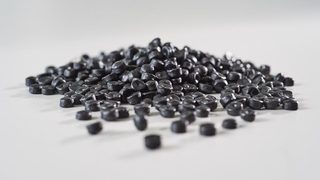
Despite raw material depreciation, converters did not buy more, they continue to purchase raw materials only on an as-needed basis. Some of them are using the stocks built during previous months
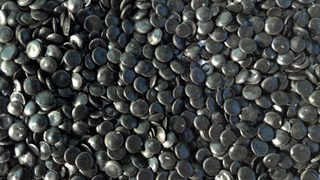
Polish converters continue to buy polyolefins on an ad hoc basis, and if possible, hold off new purchases in anticipation of further price cuts. Packaging remains one of the most active consuming industries.
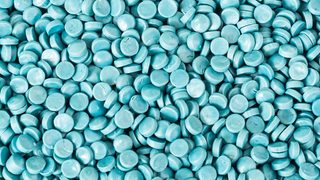
Although polyolefins have got cheaper this month, converters have still been holding off restocking and have been reduced purchases compared with October.
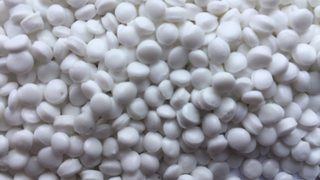
Monomer contract prices were announced early this week.
Converters, as usual, have been sluggish in the market in late October. All of its players have been waiting for new price announcements.
According to Chem-Courier’s data, PE demand is below average in Poland. PP, especially random copolymers and high-MFI injection-moulding grades, in contrast, are sought after. However, a shortage of those PP types led to inability to fully cover the current customers’ needs.

Chem-Courier forecasts polyolefins to hold their value until the end of the month.
Customers often wait until the second week of the month to make purchasing decisions. They want to have a complete picture of the market
The end of September has seen increased demand for polyolefins compared with the middle of the month in the Polish market.

According to Chem-Courier’s data, PE prices gained €30 - 60/t week on week depending on the grade, or €70 - 125/t month on month, in Europe last week. However, this had no effect on demand.

Film LDPE grades, especially those with MFI=0.3, have been unavailable on the Polish market this week.

According to Chem-Courier’s data, the Polish polyolefin market was awaiting the announcement of new prices last week.

PE and PP supply has tightened in the Polish market this week. It was nearly impossible to get the material from polyolefin producers for two weeks prior to this one, and now it is getting increasingly more difficult to buy it from traders as well.

A reported shortage of polyolefins in Poland has caused panic among converters.
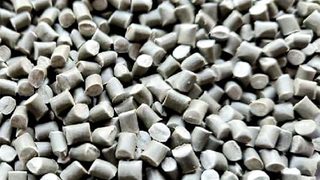
"Many customers are interested in prices and will most likely start restocking in August" - a market participant said.