Fakuma 2026: Practical solutions for challenging times
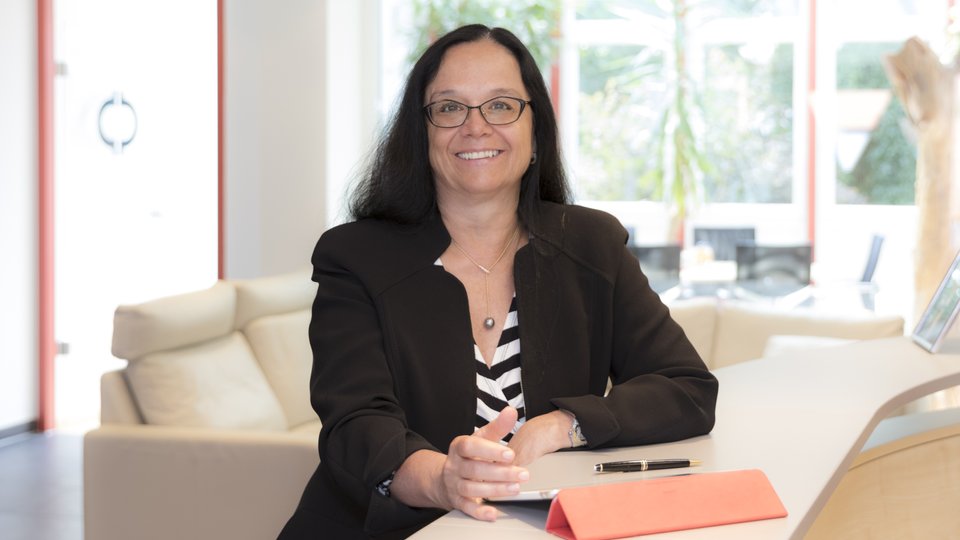
Ahead of the 30th edition of Fakuma, Bettina Schall, Managing Director of trade fair organiser P. E. Schall, discusses the pressures facing the plastics industry, the continuing importance of trade fairs and the practical solutions exhibitors and visitors will be seeking in Friedrichshafen.
As you prepare for the 30th edition of Fakuma, you also gain a behind-the-scenes view of the industry through exhibitors’ decisions about stand sizes, planned product launches and how they present their offerings. Which of these signals tells you the most about business sentiment today, and what can it reveal before the fair opens?
The industry as a whole is under enormous cost and competitive pressure. The need to produce even more cost-effectively in order to remain competitive is felt everywhere. Over the past few months, we have seen many cases in which exhibitors have had to weigh the decision to take part in a trade fair against their specific business circumstances. At the same time, there is no question that, especially in difficult times, a trade fair presence can provide fresh impetus and is therefore indispensable. For many exhibitors, the focus is therefore on presenting new solutions in a targeted and efficient manner.
Anniversaries are an opportunity to celebrate achievements, but difficult decisions also shape an event’s history. What has been the greatest test for Fakuma, and how have the lessons learned influenced the fair’s subsequent development?
Fakuma’s defining features are its practical relevance and solution-oriented approach. Thanks to these core values, Fakuma has remained a success story to this day. Forty-five years ago, the fair was primarily a trading and sales platform; today, it has evolved into a hub for knowledge transfer and business networking. It is both a technology marketplace and a driving force for a sustainable, energy-efficient and digitally connected plastics industry. Yet despite all this technological change, the fundamental principle has remained the same: close customer relationships, customer focus and practical relevance. This understanding has shaped Fakuma’s DNA from the very beginning.
Fakuma is valued for its strong focus on practical industrial applications. Imagine the owner of a medium-sized plastics processing company with two days to spend in Friedrichshafen. What should they pay particular attention to this year to return with solutions they can implement in their own production facility?
The trade fair is clearly structured by topic. Visitors can therefore seek out suppliers in a targeted manner and make the most of their time there. Exhibitors are prepared to respond to individual enquiries about solutions. It is therefore important to make as many personal contacts as possible, ask specific questions and seek direct answers—including by comparing suppliers on site. The specialist presentations in the forum also offer an excellent opportunity for direct personal contact.
The Fakuma Innovation Award will be presented for the first time this year. What, in your view, defines the value of an innovation today? How do you compare the value of a major technological breakthrough with that of a simple solution that significantly improves a plant’s day-to-day operations?
Every significant technological breakthrough also indirectly leads to improvements in simple solutions used in the day-to-day operation of a plant. The Fakuma Innovation Award will help to provide impetus, stimulate new ways of thinking and point the way towards new solutions. In time, all of this will also have a positive impact on the day-to-day operation of a plant.
How has the position of companies from Poland and Central and Eastern Europe evolved over successive editions of Fakuma—both as buyers of technology and as suppliers of their own solutions? In which areas do you see the greatest potential for our region?
Companies from Poland and Central and Eastern Europe are very welcome participants, both as exhibitors and trade visitors. As far as we can tell, the drive towards a consistent circular economy has also grown stronger in these regions. Here, too, companies’ agendas are increasingly shaped by issues such as energy efficiency, digitalisation, automation, recycling, resource conservation, sustainability and environmental protection. After all, production everywhere needs to become more modern, cost-effective and efficient. In this respect, Fakuma also offers companies from Poland and Central and Eastern Europe an excellent opportunity to modernise their machinery, systems and processes.
If we were to return to this conversation six months after Fakuma 2026, what outcomes should we ask about to assess the event’s real value to the industry? Beyond visitor and exhibitor numbers, what would you consider the most important measure of success?
As trade fair organisers, we provide services to our exhibitors and trade visitors. The overall success of the event is therefore measured by the success of each individual exhibitor and trade visitor. If the exhibiting companies are able to establish effective customer contacts, generate business-relevant leads and secure specific deals, while trade visitors receive specific answers to their questions and, ideally, find new solutions for their day-to-day operations, then we can call the event a success and say that we have achieved the trade fair’s objective.