How plastics improve safety in the home
High-strength profiles, PVB films, flame-retardant cable insulation and heat-resistant housings contribute to burglary protection, fire safety and accident prevention in homes. Research is also examining autonomous protection functions and circular insulation materials.
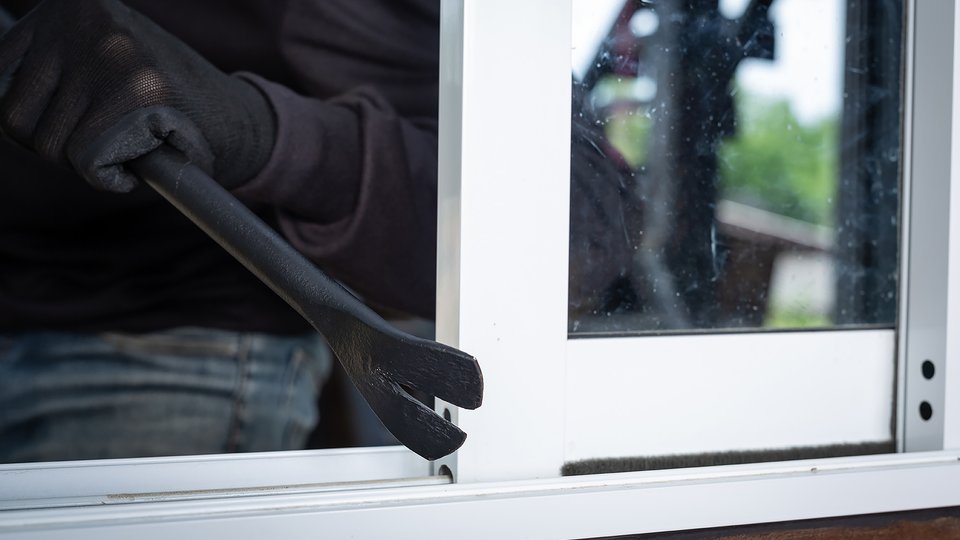
Plastics perform several safety-critical functions in residential buildings, although home protection is often associated primarily with concrete or steel. Modern polymers combine mechanical strength, electrical insulation, design flexibility, impact resistance and flame-retardant properties. These characteristics support protection against burglary, fire and everyday accidents, including injuries in children's rooms. In Germany, where buildings must meet high protection standards, plastics are used in window systems, cable insulation, switches, sockets, device housings, smoke detectors, security cameras and motion detectors. Their role ranges from delaying forced entry and preventing flame propagation to enabling precise optical sensing and absorbing impacts. Without these material properties, many current home security concepts would not be technically feasible in their present form.
Plastic films delay forced entry
According to the most recent police crime statistics cited in the source, the number of residential burglaries in Germany increased by 5.7% to 82,920 cases in 2025. The German Insurance Association estimates insured losses at approximately EUR 380 million. Around 70% of burglars use a simple screwdriver to pry open windows or doors, making resistance to mechanical loads a central element of building security.
High-strength plastic window profiles provide resistance to attempts to lever windows open. If this approach fails, intruders may try to smash the glazing. Security windows recommended by the police therefore use laminated safety glass. Its main protective component is an extremely tear-resistant plastic film embedded in the glass.
In special glazing, four layers of polyvinyl butyral film, with a total thickness of 1.52 mm, are pressed between the panes. Under impact, the glass breaks, but the elastic PVB film holds the fragments together and maintains a barrier. Almost half of burglary attempts fail if the intruder cannot enter the building within five minutes, underlining the importance of materials that delay access.
Mechanical protection is increasingly supplemented by electronic systems. Weather-resistant security cameras and infrared motion detectors also depend on specialized plastic housings and lenses to operate under their intended conditions.
Cable insulation limits fire propagation
Plastics also contribute to residential fire safety. Long-term statistics from the Institute for Loss Prevention and Loss Research identify electricity as the leading cause of fire in Germany, accounting for almost 30% of cases. According to the German Firefighters Association, technical defects in household appliances or cables cause a substantial proportion of approximately 200,000 fires each year.
Polymers can combine electrical insulation, design flexibility and self-extinguishing performance in compact components. Modern cable insulation uses specially modified, flame-retardant polymers. In the event of a short circuit, these materials limit the spread of flames. They can also reduce the formation of toxic gases during a fire, which is significant because smoke represents the greatest danger in residential fires.
Flame-retardant polymers preserve escape time
Modern synthetic furnishings can contribute to rapid fire development, in some cases leaving residents less than three minutes to escape. In the 1970s, when slower-burning natural materials were more common, the available escape time was approximately 15 minutes.
Material selection at the ignition source can influence whether a spark develops into a dangerous fire. Flame-retardant plastics used in switches, sockets and equipment housings are designed to extinguish within seconds and not produce burning drips. These characteristics help delay fire development and preserve the time available for evacuation and rescue.
Smoke detectors also rely on plastics. Their heat-resistant housings protect internal components, while optical sensor elements and measuring chambers are produced by precision injection molding. This manufacturing accuracy enables the sensor to detect smoke particles within seconds while limiting false alarms caused by humidity.
Materials with autonomous protection functions
Research into passive fire protection includes programmable shape-memory polymers and bio-based, halogen-free flame retardants. Current work indicates that plastics can be designed to activate protective functions autonomously, reacting to critical temperatures without sensors or external power supplies.
When heated, such materials can change shape to close cable ducts or seal gaps. In parallel, the Fraunhofer Institute for Chemical Technology is investigating halogen-free approaches in the CircularInFoam project. The objective is to develop high-performance insulation materials that combine fire safety with suitability for a circular economy.
Impact-resistant plastics support child safety
Plastics are also used in products intended to reduce injuries among young children. Certified socket protectors and flexible corner guards use the impact-absorbing and shatter-resistant properties of polymers to limit everyday risks in the home. These applications show that plastics in residential safety extend well beyond packaging, serving as functional materials for the protection of people and property.
Read more: