Recognize and address process variations in the recycled plastics processing process
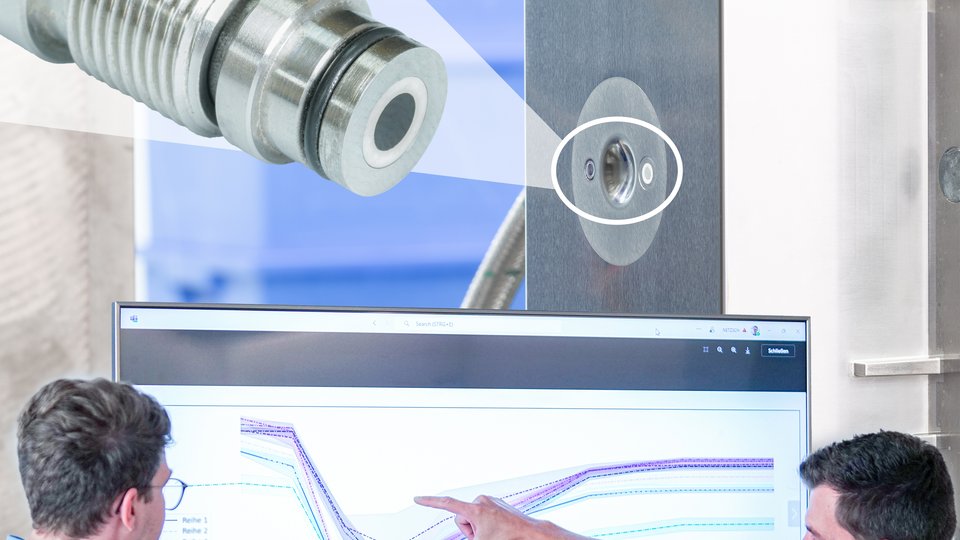
A consortium known as "avidens" brings together industry experts to assist businesses facing challenges when utilizing PCR recycled components. The consortium provides support through a range of services in the event that material and process quality fluctuates. These services include highly digitalized injection molding systems for sampling and tools equipped with sensor technology to examine material behavior. Furthermore, "avidens" serves as a point of contact for the whole value chain involved in the processing of plastics.
2025 will see new regulations for the use of recycled plastics
The goal of the European Green Deal is to change the industrial landscape in order to make the European Union an economy that is both resource-efficient and climate neutral by the year 2050. The realization of a circular economy- which places an emphasis on recycling, reuse, and waste reduction- is at the center of this change. This entails a significant change in production methods for plastics processors toward environmentally friendly ones, such as designing products to be recyclable and using more recycled materials.
Broader ramifications of the Green Deal include the need for more stringent environmental reporting, as required by the Corporate Sustainability Reporting Directive (CSRD).
Circularity is emphad by the Green Deal, even beyond reporting. Take the automotive sector as an example. The upcoming End-of-Life Vehicle (ELV) regulations mandate, among other things, that at least 25% of the plastics used in automobiles originate from recycled sources, with closed-loop recycling accounting for 25% of this requirement.
The plastics industry will unavoidably be impacted by this drive toward a more circular economy, which will present both opportunities and challenges. Processors will need to modify their operations to handle alternative material streams and guarantee the quality of finished products as the demand for recycled plastics rises. even if the availability of recycled materials forces them to use materials that fluctuate in quality.
Difficulties brought about by the EU's sustainability directives
The integration of recycled materials into plastics production processes poses notable challenges, despite the fact that increased use of these materials is an essential step towards a circular economy.
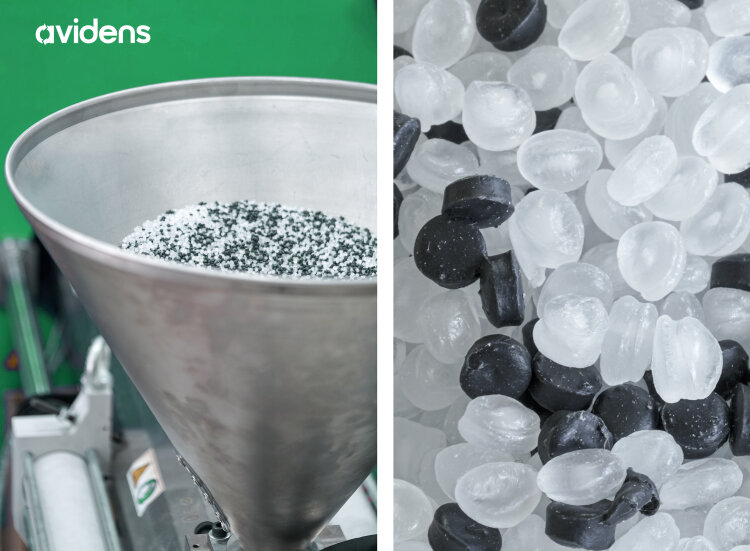
There is frequently uncertainty regarding the final part quality due to the inherent variability of recycled materials, particularly in light of the growing use of post-consumer recyclates (PCR). When compared to virgin polymer compounds, damaged materials and varying quality levels within a tank filling, bag to bag, or even within a batch can result in notable variations in molding behavior. As an illustration: The flowability of a plastic is directly impacted by its molecular chain length distribution, which is primarily determined by the plastic's processing history and parameters. Process control should take this inconsistency into consideration as it can result in higher scrap rates, inefficient processes, and challenges in achieving desired product performance.
Furthermore, finding deviations during the molding process is more difficult with recycled materials because control is essentially limited to the steps of material pre-processing, injection, and post-process quality assurance (QA) testing. The lack of 'live' feedback and material monitoring within the mold limits the capacity to identify and address problems quickly.
Until now, the opportunities for understanding material behavior were limited. Material suppliers are working hard to improve the quality of recycled content through rigorous sorting and cleaning procedures. While this strategy has produced encouraging results thus far, the increasing demand for recycled materials will make it difficult to maintain constant high quality without taking additional steps.
Additionally, machine makers are hard at work creating new technologies to enhance the recycling material processing. To guarantee constant injection into the mold, a lot of these methods concentrate on regulating the volume of material and machine pressure. But once the material gets into the mold chamber, things get much harder to monitor and regulate. Cavity pressure sensors provide some useful information, but their usefulness is restricted to the beginning phases of the molding process since, once the first plastic layer hardens (frozen skin), they lose some of their sensitivity.
How Dielectric Analysis Fills a Solution Gap
Dielectric analysis (DEA) is a measurement technique that characterizes materials based on their electrical properties. The mobility of molecular chains within a material is measured in response to an applied alternating current field. When integrating them into plastics processes, in-mold DEA sensors can provide real-time data on material properties as they undergo molding. By offering a continuous, in-situ view of a polymer material’s state, DEA technology can address the challenges posed by recycled materials. In particular, deviations in solidification/crystallization behavior due to material damage and composition should be mentioned here. Anomalies are detected and evaluated using specifically trained software algorithms that combine material science and machine parameters.
sensXPERT Digital Mold, a technology from Netzsch Process Intelligence GmbH, offers an advanced solution that combines sensor data, machine parameters, material science and machine learning to continuously monitor and control plastics production processes. Key features include real-time anomaly detection and dynamic process adjustments. These capabilities ensure that deviations in material behavior are detected immediately and countermeasures can be taken, maintaining consistent final product quality. sensXPERT is a solution that acts as a central unit to bundle pressure/temperature/dielectric sensor data, machine parameters and material science and supports the customer as a co-pilot.
For plastics processors, the technology improves production efficiency by minimizing defects and reject rates, ensuring consistent part quality and providing comprehensive data transparency for regulatory compliance. As a result, recycled materials can be processed effectively.
The expert companies behind “avidens”
With the aim of providing an overall view of technological solutions and combining industry experience along the plastics value chain, the following companies have joined forces to form “avidens”:
The specialist for materials science, sensor technology and artificial intelligence in the plastics industry "sensXPERT", experts in plastics engineering and processing "Schwarz Plastics Solutions", material analysis experts "Netzsch Analyzing & Testing", and precision mold maker "Precupa".
In a wider circle also material distributor "Meraxis", a sister company of plastics processor Rehau, and digital solution provider for laboratory data "LabV" are cooperating in "avidens". By combining expertise in materials, machine data, and process parameters with data processing technologies, this setup provides hands-on solutions both as service on their own production setup, as well as turn key solution for customers.
Read more: