SABIC introduces PVD-capable Ultem resin for smartphones
SABIC has introduced Ultem DU762 resin, a polyetherimide material designed for smartphone middle frames. The grade is compatible with non-conductive PVD sputtering and is positioned as an alternative to metal and glass fiber-reinforced PC.
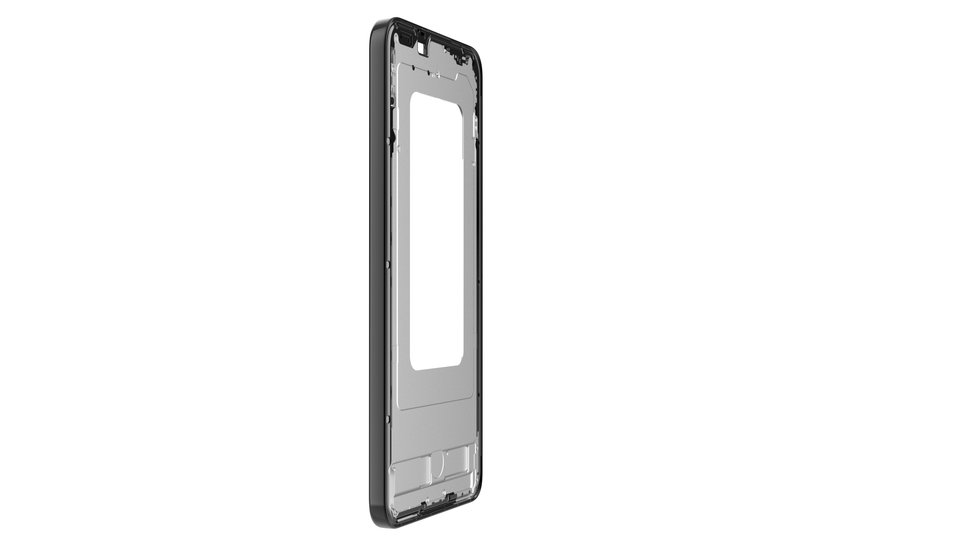
SABIC has introduced Ultem DU762 resin, a specialty thermoplastic developed for smartphone middle frame applications. The company presents the material as an alternative to metal, citing design, manufacturing and system cost advantages. The new Ultem grade is compatible with non-conductive physical vapor deposition (PVD) sputtering processes, enabling a high-gloss metallic surface intended to support smartphone appearance requirements. The material is based on polyetherimide (PEI) and combines chemical resistance for durability, low weight for usability, and a balance of ductility and strength for structural components. According to SABIC, these properties address requirements associated with premium smartphones, where frame materials must combine mechanical performance, surface quality and efficient processing.
Positioning against metal frames
"Consumers choosing top-of-the-line smartphones demand premium materials that complement cutting-edge technologies, such as artificial intelligence (AI)," said Sergi Monros, vice president, Specialties business unit, SABIC. "Our new ULTEM DU762 resin offers high quality without the drawbacks of traditional materials. It delivers great value through design flexibility and streamlined production while meeting rigorous standards for aesthetics and performance. As smartphone styling and capabilities advance, SABIC remains aligned with the evolving needs of the consumer electronics industry."
Compared with titanium, stainless steel and aluminum, which require time-consuming machining, Ultem DU762 resin can be manufactured cost-effectively using high-speed, high-volume injection molding. SABIC also notes that the material is much lighter than metal alternatives. As a non-conductive, metallized polymer, the resin also removes the need for an antenna split in the middle frame. Metal frames with plastic antenna splits can create a non-uniform appearance that affects styling.
Comparison with glass fiber-reinforced PC
Another incumbent material for smartphone frames is glass fiber-reinforced polycarbonate (PC) resin, which typically uses non-conductive vacuum metallization (NCVM). SABIC states that this multi-layer process creates a thick coating that can accumulate along edges and corners, limiting the ability to obtain a clean, sharp line. By contrast, PVD metallization is described as simpler and produces a much thinner profile.
The company also points to surface quality differences. Glass fiber in PC resin can migrate, creating an uneven surface that affects gloss. Unreinforced Ultem DU762 resin is intended to provide a smooth, high-gloss finish and to resist abrasion and cracking better than softer PC resins.
Material features and availability
Additional features of Ultem DU762 resin include high heat resistance and robust resistance to sunscreen and other chemicals. SABIC states that Ultem DU762 resin is available globally.