Südpack cuts operational emissions by 73% since 2021
Südpack reduced its total CO2e emissions by 21% between 2021 and 2025, including a 73% decrease in Scopes 1 and 2. The packaging film producer is also pursuing reductions in Scope 3.1 through recyclable designs, material efficiency and energy measures.
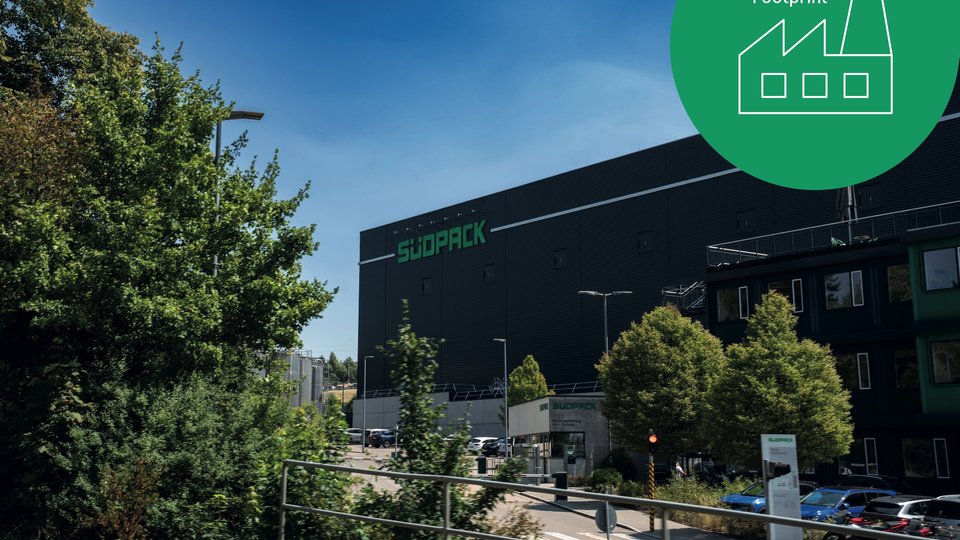
Südpack reduced its total CO2e emissions by 21% in 2025 compared with the 2021 baseline, according to its latest Corporate Carbon Footprint. The Group recorded a 73% reduction in Scopes 1 and 2, which cover direct emissions and emissions associated with purchased energy. Its target for 2030 is a 76.3% reduction in these categories. Scope 3.1 emissions from purchased goods and services decreased by 16%, against a target of 25% by 2030. This category represents around two-thirds of the company's total emissions, making action related to purchased materials and services particularly relevant to its climate strategy.
The manufacturer of plastic films and packaging concepts for food, non-food, pharmaceutical and medical products, as well as technical applications, has committed to the Science Based Targets initiative and the Paris Agreement's 1.5°C objective. Its validated near-term targets cover Scopes 1, 2 and 3.1. The Corporate Carbon Footprint is used both as a performance indicator and as a management tool for monitoring emissions and identifying further reduction potential.
Progress and year-on-year increase
Compared with 2024, the Group's Corporate Carbon Footprint increased by 3.91%, although its annual target derived from the Science Based Targets initiative targets was met. Südpack attributes the increase partly to higher sales volumes, which affect its product-related Scope 3 footprint for purchased goods and products at end of life.
The expansion of the plants in Erolzheim and Coulmer, France, in 2025 was another factor. According to the company, these investments increased its capacity to manufacture lightweight packaging materials designed in line with Design for Recycling guidelines. The additional capacity is intended to support further reductions in material use and the Corporate Carbon Footprint.
Product design and material efficiency
To pursue its reduction targets while planning further sales growth, Südpack is focusing on PP- and PE-based packaging concepts compatible with existing recycling streams. It is also reducing the weight of high-performance materials. Lower material consumption per square metre of film can conserve resources, reduce logistics-related emissions and provide benefits at the end-of-life stage.
In package printing, the company reports increased customer adoption of its SPQ technology. The process contributed to a reduction of around 9.5% in emissions associated with solvent consumption compared with 2024. Südpack notes, however, that the climate contribution of new packaging products depends substantially on when customers decide to adopt alternative concepts.
Renewable energy and efficiency measures
Since the beginning of 2025, the Coulmer site has used green electricity supported by guarantees of origin. As a result, all of Südpack's production sites in the European Union are now powered entirely by green electricity. Renewable sources currently account for 57% of the Group's overall energy mix, which includes electricity and other energy carriers. The company aims to raise this share to 88% by 2030.
Measures identified for reaching this target include greater use of sustainable energy sources and further electrification, such as replacing gas with green electricity. Total energy consumption has fallen by 19% since 2021 as a result of energy-efficiency measures. The Group also reports lower transport-related emissions following ongoing optimization, despite increased purchasing and sales volumes.
Digital management of emissions data
Südpack has introduced a software platform to manage sustainability data across its international operations. The solution brings emissions data, targets and progress indicators together in one dashboard. It is intended to support the identification of decarbonization opportunities, reporting obligations and further standardization of digital data collection and analysis.