Südpack develops recyclable packaging for fresh pasta
Südpack has presented PP mono-material flow packs and thermoforming films for fresh pasta. The concepts combine barrier performance, material reduction and compatibility with existing PP recycling streams.
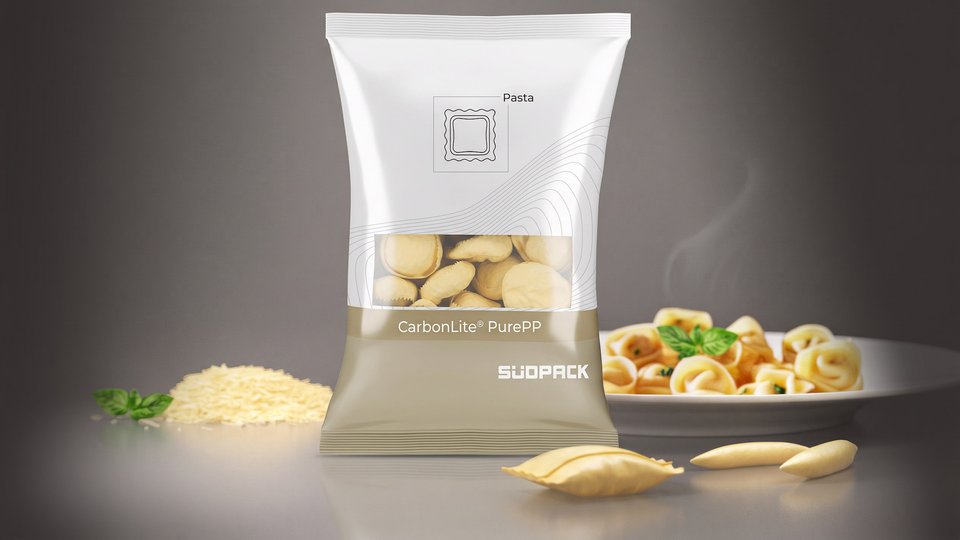
Fresh pasta products, including noodles, gnocchi, ravioli and filled pasta, place stringent demands on thermoformed and pouch packaging due to their high moisture content. Packaging must provide suitable barrier properties and shelf life while maintaining process reliability and product protection. Südpack has developed high-performance films and packaging concepts intended to combine these requirements with material efficiency, economic considerations and design for recycling.
Fresh pasta is a dynamic segment of the refrigerated convenience category. New concepts, flavor profiles and portion sizes continue to enter refrigerated retail shelves, ranging from high-protein pasta, international flavors and fusion recipes to vegan and vegetarian options and new preparation methods. These developments reflect demand for quick, high-quality meals and changing dietary trends, while established products remain part of the category.
The global market for fresh refrigerated pasta is currently estimated at USD 9 billion to USD 11 billion and is projected to reach USD 19.5 billion by 2033. This growth is also influencing packaging development, with attention focused on balancing product protection, functionality and compliance with the Packaging and Packaging Waste Regulation, PPWR.
Balancing cost, regulation and performance
The price of packaging material is only one factor in the assessment of a packaging concept. Regulatory requirements, economic viability and performance throughout the entire life cycle, including end of life, also affect the total cost. Food packaging that uses less material and follows design for recycling, DfR, principles may potentially benefit from eco-modulation and recycling-oriented fee models.
Depending on the country and the total cost calculation, a higher material price may be offset by lower extended producer responsibility, EPR, fees. At the same time, packaging must retain process reliability, product protection and shelf life. Films used for fresh pasta may also need sufficient heat resistance for pasteurization.
Coextrusion supports mono-material structures
Coextrusion is one of Südpack's core production capabilities. By combining functional layers, the company can adapt barrier performance, mechanical stability, sealing behavior and machinability to the application. Compared with laminated structures, coextruded high-performance films can often provide the required properties at lower thicknesses.
Thinner films enable lighter packaging, which can generate economic benefits throughout the value chain. Reduced raw material consumption can also lower associated carbon dioxide emissions. Südpack's portfolio covers packaging for pasteurized and non-heat-treated products, products requiring refrigeration and products intended to maintain a long shelf life without refrigeration.
CarbonLite Flow Pack PurePP
Flow packs are commonly used for gnocchi, Spätzle and filled pasta. Unlike tray-based systems consisting of bottom and top webs, these lightweight pouches are produced from a single film web, simplifying procurement and logistics. Their lower weight compared with tray packaging can also contribute to lower overall costs through reduced EPR fees.
CarbonLite Flow Pack PurePP is designed according to DfR principles. The PP mono-material structure can be processed through existing PP recycling streams. In one customer application, material consumption was reduced by more than 20% compared with the previously used PA/PP structure. For 10 million packs, this represented a saving of more than 15 metric tons of packaging material, without compromising product protection.
PP-based thermoforming concepts
The Multifol flexible thermoforming concept is intended for larger products such as filled pasta and ravioli. Vacuum holds the product in place, allowing the package to be presented upright, suspended or flat at the point of sale. The film is designed as a PP mono-material in accordance with DfR principles.
Depending on the packed product and customer requirements, Südpack also supplies PP-based rigid film concepts. Available options include versions with a peelable top web to facilitate opening.
Testing and implementation
Introducing a new packaging structure requires verification of product protection, compatibility with existing packaging machinery and processing behavior. Material consumption, recyclability and possible fee structures must also be considered when calculating total costs.
Südpack supports producers during the transition to packaging designed for recycling, from concept development through implementation. Its services include application-specific sampling, application engineering support, testing and validation on specialized equipment, and assistance with carbon dioxide and recyclability assessments. The stated objective is to reduce transition risks and integrate new packaging concepts reliably into existing production processes.