The Turkish plastics industry continues to grow
Plastics industry continues its growth trend. The report issued by PAGEV for the first half of 2018 shows that plastic product manufacturing increased by 7.2% to 5 million tons, while value increased by 9.3% to 19.4 billion dollars. During the same period, plastic product exports increased by 12.8% to 2.4 billion dollars.
As the driving force of Turkish economy, the plastics industry continued its growth performance in the first half of 2018. According to data published by the industry organization Turkish Plastics Foundation (PAGEV), plastic product manufacturing increased by 7.2% to 5 million tons, while value increased by 9.3% to 19.4 billion dollars compared to the same period previous year. Plastic packaging accounted for the largest share of plastic product manufacturing with 2.2 million tons, followed by plastic construction materials with 1.1 million tons.
PAGEV's industry watch report projects that the total plastic product manufacturing will grow by 5% until the end of 2018 and reach 38.8 billion dollars. However, the report argues that the profitability in the second half of the year will remain below first half levels.
Exports projected to become 4.7 billion dollars by the end of 2018
The plastics industry maintained its strong export position in the first half of the year. Plastic product exports in the first half of 2018 increased by 7.3% to 856 thousand tons, while growing by 12.8% in value and reaching 2.4 billion dollars compared to the same period of the previous year. The top markets among the 200 export destinations of the plastics industry during the January-March period were Iraq, Germany, UK, Israel and France. The direct plastic product exports of the industry is projected to increase by 4.8% by quantity to 1.7 billion tons, and 8.4% by value to 4.7 billion dollars.
Domestic sales drive growth in the first half
In the first six months of 2018, the domestic consumption of plastic products increased by 8.5% in value to 18.6 billion dollars, and 7.1% in quantity to 4.5 billion tons compared to the same period previous year. Approximately 2 million tons of the 4.5 million tons consumed in the domestic market was indirectly exported in the form of finished products and semiproducts by the automotive, packaging, construction and electronics industries. 2.5 million tons were directly used by consumers.
Investments continue despite economic downturn
The plastics industry invested $526 million on machinery and equipment during the first half of 2018. Presses and other machines accounted for 40% of the total investment, followed by injection at 19%, equipment and parts at 17%, extrusion at 16%, thermoform at 6%, and inflation machines at 2%. Total investment in equipment is expected to increase by 13% compared to 2017 and reach 1 billion dollars by the end of the year.
Finished product surplus increases
According to PAGEV data, 3.8 million tons of plastic raw materials valued at 5.7 billion dollars were imported in the first half of 2018. Domestic raw material production was around 5.07 million tons in the same period. While the ratio of imports was high in raw materials, the opposite was true for finished products. The foreign trade surplus in finished products continued to grow in the first half of 2018. Compared to the same period previous year, quantity increased by 8.3% to 539,000 tons, while value increased by 29.6% to 793 million dollars.
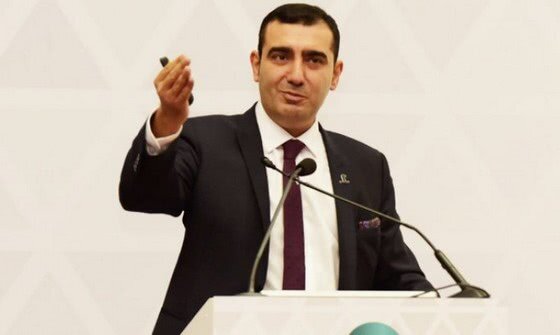
Discussing the performance figures of the industry in the first half of 2018, TOBB Plastic Rubber and Composite Industry Assembly and PAGEV Chairman Yavuz Eroğlu said: “Despite the fragility of all economic indicators in the first half of 2018, the plastics industry continued its upwards trend in manufacturing, exports and investments, proving its strengh and resilience once again. The past few months were no doubt difficult for all industrialists. If it were not for the economic downturn, our performance would have been even greater. Our projections indicate that profitability will lag behind the previous year in the second half of 2018. There is also the risk of the investment environment turning towards the negative. The plastics industry will continue in its endeavor to grow employment and the economy despite all difficulties."
What is the current condition of the Turkish plastics industry? The answer can be found at Plast EurAsia, which already on December 5 begins at the Tüyap Fair and Exhibition Centre in Istanbul. Last year more than 1000 companies from 43 countries exhibited here. Unfortunately, according to the information provided by the organizers, there will be no representatives of the plastics industry from Poland.
"The place where the fair takes place is the contact between Europe and Asia. The special importance of this exhibition is reflected in the possibility of establishing business contacts with partners from exotic and developing markets," says Jakub Mączka, President of Hurmak Polska, a Turkish injection moulding machine manufacturer.
In the last few years Hurmak has been dynamically developing its foreign sales network mainly in the countries of Central and Eastern Europe. Hurmak has its distributors in Romania, Hungary and a branch in Poland.
Despite the doubling of tariffs on Turkish steel and aluminium by Washington, Turkey is still one of the fastest growing economies. The Turkish economy is one of the European Union's largest trading partners. Bilateral trade is worth 140 billion euros a year. At the end of 2017, trade between Poland and Turkey reached the level of approx. 6 billion Euros.
The Turkish chemical industry employs around 200,000 people, while the plastics processing sector, with a processing capacity of up to 9 million tonnes, is the sixth largest producer in the world and the second largest in Europe.
JL
Photo: pnTurkey
Read more: