Asahi Kasei to present advanced plastics at Fakuma 2026
Asahi Kasei will present polymer solutions for automotive, electrical and industrial applications at Fakuma 2026. The exhibits will cover radar antennas, polycarbonate glazing, vehicle interiors, electrical components and metal injection molding.
Asahi Kasei will participate in Fakuma 2026, taking place from October 12 to 16 in Friedrichshafen, Germany. At booth B5-5305, the company will present high-performance plastics and material solutions intended to address requirements in the automotive and industrial sectors. The exhibits will demonstrate the use of advanced polymers in more efficient and sustainable manufacturing, as well as in connected and autonomous mobility, automotive interior design and increasingly electrified industrial systems.
A major part of the presentation will focus on materials that enable alternative approaches to automotive component design and production. Asahi Kasei will show solutions for automotive radar systems, interior components and lightweight polycarbonate glazing. The industrial section will cover materials for electrical and other demanding applications, including products addressing flame retardancy, tracking resistance, high-temperature performance, dimensional stability, lightweight construction and sustainable material concepts.
Materials for automotive applications
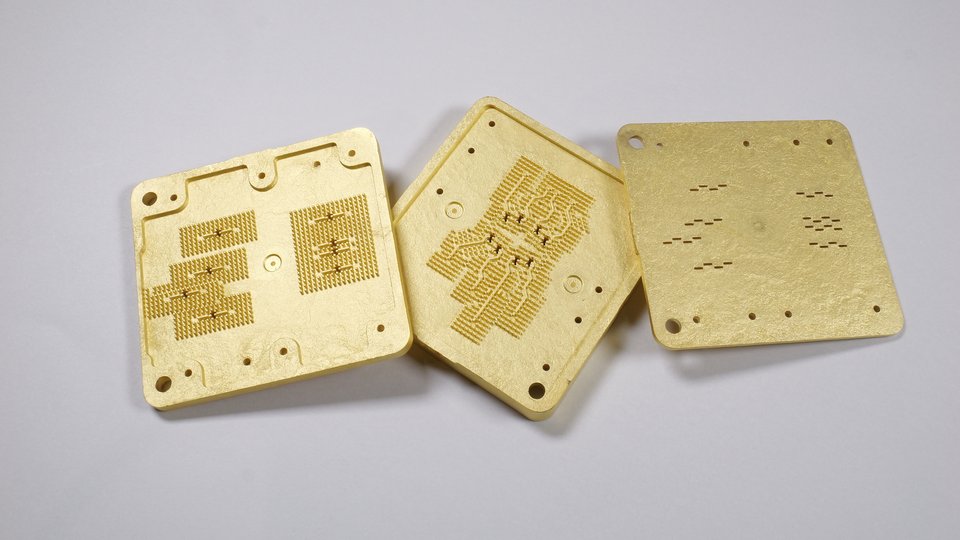
Asahi Kasei will exhibit coated slotted waveguide antenna samples for automotive radar applications. The antennas are made using Xyron, a modified polyphenylene ether resin that combines dimensional stability, low weight and metal plating performance. According to the company, the material enables lightweight, precise and cost-efficient antenna designs for connected and autonomous vehicles.
The company will also present a styrene-based thermoplastic elastomer for automotive interior parts. Instrument panels, door panels, armrests and center consoles are traditionally manufactured from multiple materials, with separate processes used for the skin, foam and structural core. Asahi Kasei's solution allows the skin and foam layers to be produced from the same material family.
Core-back injection molding enables these layers to be formed in one process. Chemical bonding between them removes the need for additional adhesives. This simplified material structure is intended to reduce manufacturing complexity and material consumption while improving the recyclability of interior components.
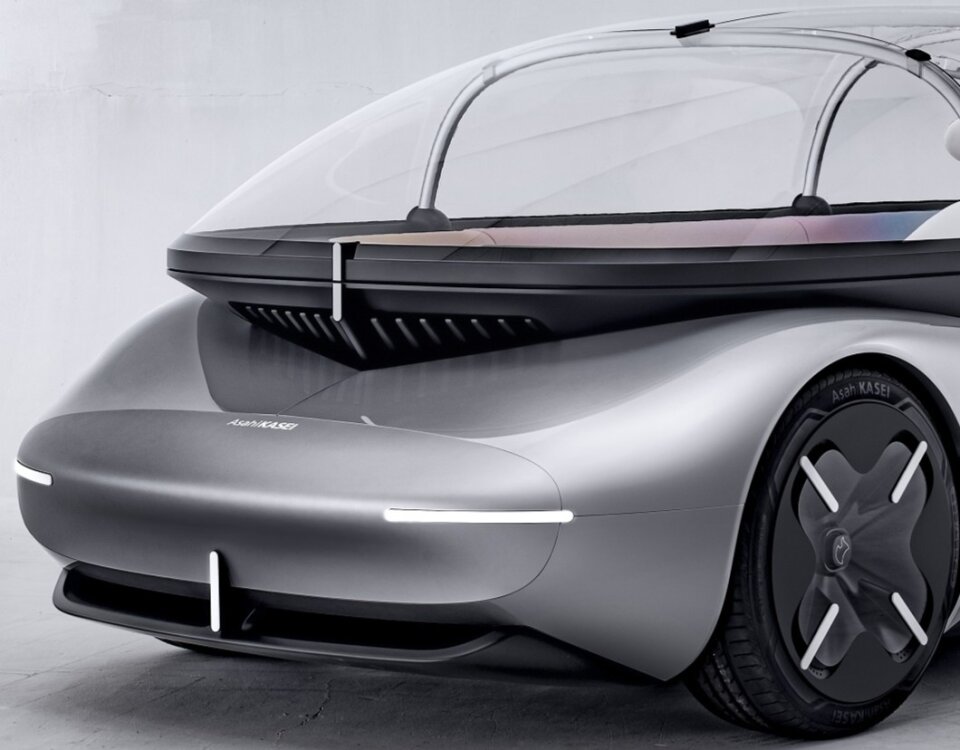
Another exhibit will concern a water-based coating system under development for using polycarbonate as a substitute for glass in vehicle front, rear and side windows. Polycarbonate treated with the coating achieves abrasion resistance compliant with ECE R43 and the weather resistance required for automotive windscreens. The proposed application could contribute to reducing overall vehicle weight. Asahi Kasei will display a polycarbonate automotive front window finished with its hard coating.
Hard-coated polycarbonate window in Asahi Kasei's concept car
Electrical and industrial material solutions
For demanding electrical applications, Asahi Kasei will present its Leona portfolio of polyamide and polyphthalamide materials. The exhibits will include flame-retardant PA66 and tough PPA grades with a high comparative tracking index for glow-wire connectors, transformer components, surface-mount technology connectors and power modules. The materials combine flame retardancy, tracking resistance, mechanical durability and high-temperature performance, supporting the development of safer and more compact electrical systems.
The industrial presentation will also include Xyron modified polyphenylene ether materials. Their combination of electrical insulation, flame retardancy, low weight and dimensional stability is intended for applications such as data center busduct systems and battery cell holders. Asahi Kasei will additionally show sustainable material concepts based on post-consumer recycled polystyrene blended with polyphenylene ether. These applications are intended to improve electrical safety, reduce weight and increase design flexibility.
Binder for metal injection molding
Tenac-P is an integrated polyacetal binder for metal injection molding. The material offers high flowability, low odor during catalytic debinding and reduced void formation during thermal debinding. Asahi Kasei will present binder materials for MIM processes together with sintered parts, illustrating their role in molding productivity and finished-part quality.